The Masai Mara National Reserve is Kenya’s premier destination, a unique destination in Africa with a checklist of all the Big 5 & wildebeest plus several other wildlife. The Maasai Mara Reserve shelters abundant wildlife that make it an outstanding destination with unique ecosystems. The Masai Mara is located in the Southwestern Kenya and can be reached from the heart of Nairobi in 6 hours’ drive. This reserve sits in the Mara Region, Narok County, just adjacent to Serengeti National Park.
The Maasai Mara derives its name from the Maasai people. It was created in 1961 to protect diversity of wildlife and currently, this nature reserve covers 1510 sq. km. The Masai Mara is endowed with unique features, including the Talek & Mara Rivers.
Main Attractions in the Maasai Mara
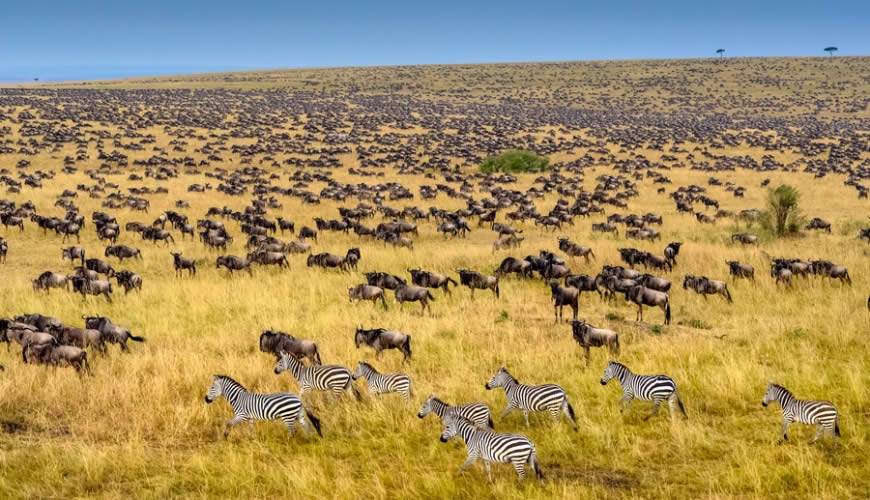
Maasai Mara Reserve is one of the most popular homes to the big 5 game: elephants, buffalo, leopards, rhinos, and lions. The reserve also supports diversity of antelope families, including the Thomson’s gazelles, topis, wildebeests, hartebeests, impalas, and more. Other wildlife to encounter during the Kenya tour in the Masai Mara include crocodiles, hippos, cheetahs, and others.
Bird species
Expect to explore the Masai Mara’s diverse bird species. About 500 bird species live in this nature reserve alone and are distributed across the wetlands and savanna habitats. Among Masai Mara’s bird species include; Kori bustards, southern ground hornbills, secretary bird, lilac-breasted rollers, giant & malachite kingfishers, yellow-billed storks, and helmeted guineafowl. The Maasai Mara also protects birds such as hooded vulture, marabou storks, goliath herons, tawny eagle, Ross’s turacos, grey-crested helmet shrike, Jackson’s widowbird, Rufous-throated wryneck, Augur buzzards, Egyptian goose, Lazy cisticola, purple grenadier, African wood owl, and Schalow’s turacos.
Masai Mara Reserve is also known to shelter birds such as Tabora cisticola, silverbirds, yellow-mantled widowbird, woolly-necked stork, Usambiro barbets, trilling cistola, and Swahili sparrow.
The Great Migration
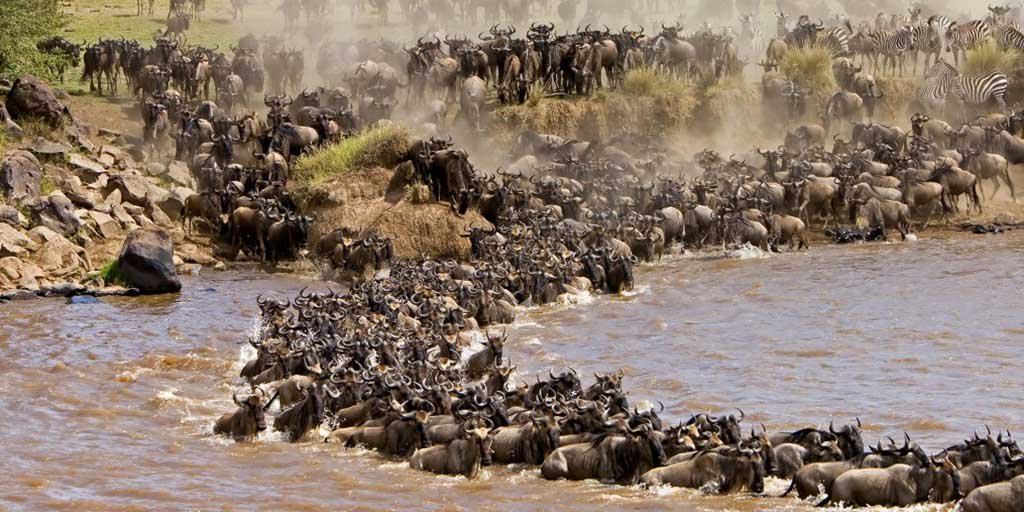
At the Maasai Mara, the Great Migration experience shouldn’t be missed. Expect to enjoy views of millions of wildebeests with accompanying grazers. The Mara River crossing marks Kenya’s iconic safari highlights with thousands of guests flocking to the Mara Reserve to make their dreams come true.
Safari Activities in Masai Mara
Maasai Mara National Reserve features a diversity of experiences worthy appreciating on a Kenya safari. Top activities to engage in the Masai Mara include game drives, birding, bush/nature walks, witnessing the Great Migration, and hot air balloon safaris.
Game drives
Visitors can embark on a guided game drive, a rare opportunity to explore savanna species. On a game drive, expect to encounter diverse animals like leopards, cheetahs, lions, buffaloes, rhinos, wildebeests, topis, gazelles, and bird species. Game drives in Masai Mara occur along the reserve’s key tracks including the Mara River, Mara triangle, Private conservancies, Central plains, Musiara swamp area, and more. At the Masai Mara, game drive sessions occur in the morning and the afternoon.
The ideal access gates to the Masai Mara for you to begin your game drive include Oloololo, Talek, Sekenani, and Musiara gates. The normal game drive excursion takes at least 2 to 3 hours and it is possible to engage in a full-day session which includes lunch.
Bird-watching
When it comes to birding or bird-watching, Masai Mara never disappoints. Over 470 species of birds have been recorded in the reserve and include the common ostrich, Ross’s turacos, Jackson’s widowbird, Denham’s bustards, Saddle-billed storks, Schalow’s turacos, Kori bustards, Grey penduline tit, Bateleur, rufous-bellied heron, Lazy cisticola, and purple grenadier. Other bird species of interest include woolly-necked storks, Swahili sparrow, southern ground hornbills, yellow-throated sandgrouse, Usambiro barbets, trilling cisticola, silver bird, rosy-throated long claws, to mention but a few.
Bush/nature walks
The Masai Mara National Reserve is known for its intimate savanna bush walking experiences. The reserve rewards guests with an unmatched on-foot adventure that lets you have a complete immersion into its hidden treasures. You can embark on a guided nature walk and take between 2 and 3 hours. Some camps even offer amazing walking opportunities that last for 1 hour.
Along the camp areas, it is possible to explore the rich ecosystem comprising birds, medicinal plants, and more. Long walking excursions offer relatively more adventurous experiences, which include a packed breakfast/lunch.
Escorted bush walks –Embarking on escorted walking experiences presents a unique opportunity for you to have a deeper insight into Maasai Mara’s savanna wilderness. A visitor is accompanied by a professional Maasai guide with vast knowledge about the surrounding area, native plants, and unique stories of the Maasai warriors.
Note, nature walks inside the Masai Mara are restricted, considering the free-roaming predators. You can only engage in a nature walk along the surrounding conservancies that are considered safe.
What should you carry for a memorable nature walk? Pack strictly clothes that match the natural environment, a camera, sunscreen, sunglasses, a safari hat, and walking shoes/boots. Avoid shouting or bright colored clothes that can easily scare away animals –wildlife have unique behaviors and need not be disturbed.
Hot air ballooning
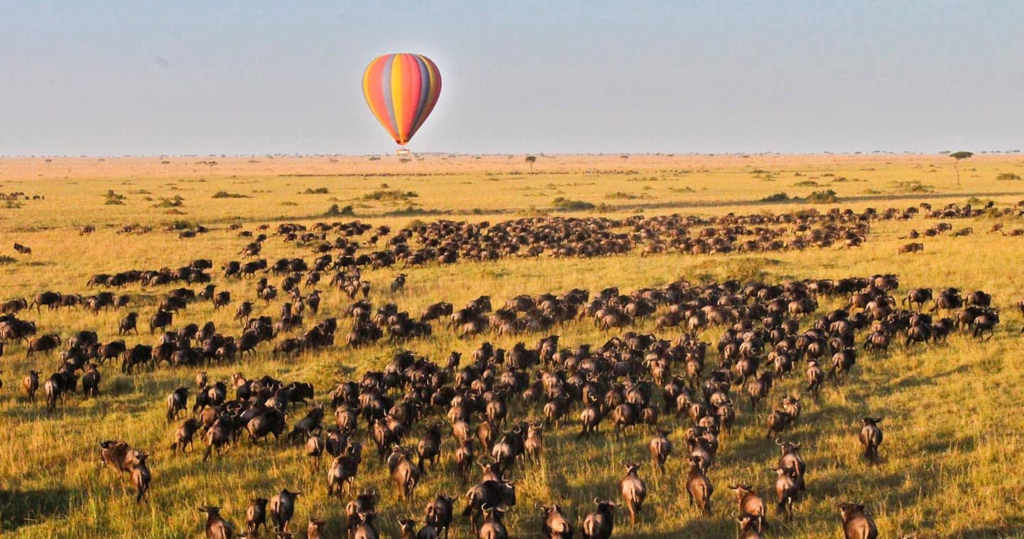
Engaging in the hot air ballooning experience provides unparalleled aerial views of vast savanna plains and wildlife. A normal balloon flight tour over the savannas of the Masai Mara Reserve can last for about 1 hour. Expect to set off for your hot air balloon experience starting at 6:00 am and appreciate the beauty that lies in the Masai Mara. The flight comes with some logistics, including a champagne breakfast. Strictly 12 to 16 guests can embark on a balloon experience as per the balloon basket capacity. The ideal time to enjoy the Maasai Mara’s balloon excursions is from July to September. The cost of Masai Mara’s balloon experience ranges from US Dollars 450 to 600 per person (adult), while children pay USD 350 to 370 per person. During the peak season, the rate may rise beyond even US Dollars 580. Ensure that you have booked the balloon adventure in advance.
The lodges and camps of Masai Mara, Kenya
Maasai Mara holds all categories of lodges and camps for tourists to consider staying on their holiday. They include Naboisho Camp, Kicheche bush camp, Royal Mara Safari Lodge, Ol Seki Mara Camp, Ngare Serian, and more. These are commonly available along the northern part of the reserve. The Eastern region consists of lodges like Tipilikwani Mara Camp, Leleshwa Camp, Fig tree camp, Siana Springs Camp, and Mara Leisure Camp.
Best time to travel to the Masai Mara, Kenya
Visits to explore the Maasai Mara in Kenya can be conducted at any time of the year. But the best time to plan and embark on safari in the Maasai Mara should be from June to October, which is excellent for the Great Migration experience and normal game drives. The ideal calving season extends from January to March, also the months when fewer tourists are recorded in the reserve.
Getting to the Maasai Mara in Kenya
Masai Mara can be accessed by road/air where road travel requires you to take about 6 hours starting from Nairobi city. You drive through Narok and reach the reserve via its designated gates. By air, you depart from Nairobi and land at the available airstrips in Nairobi including Kichwa Tembo Airstrip, Olare Orok airstrip, Ol Kiombo, Musiara, Ngerende, Mara Serena, or Sian springs airstrip.