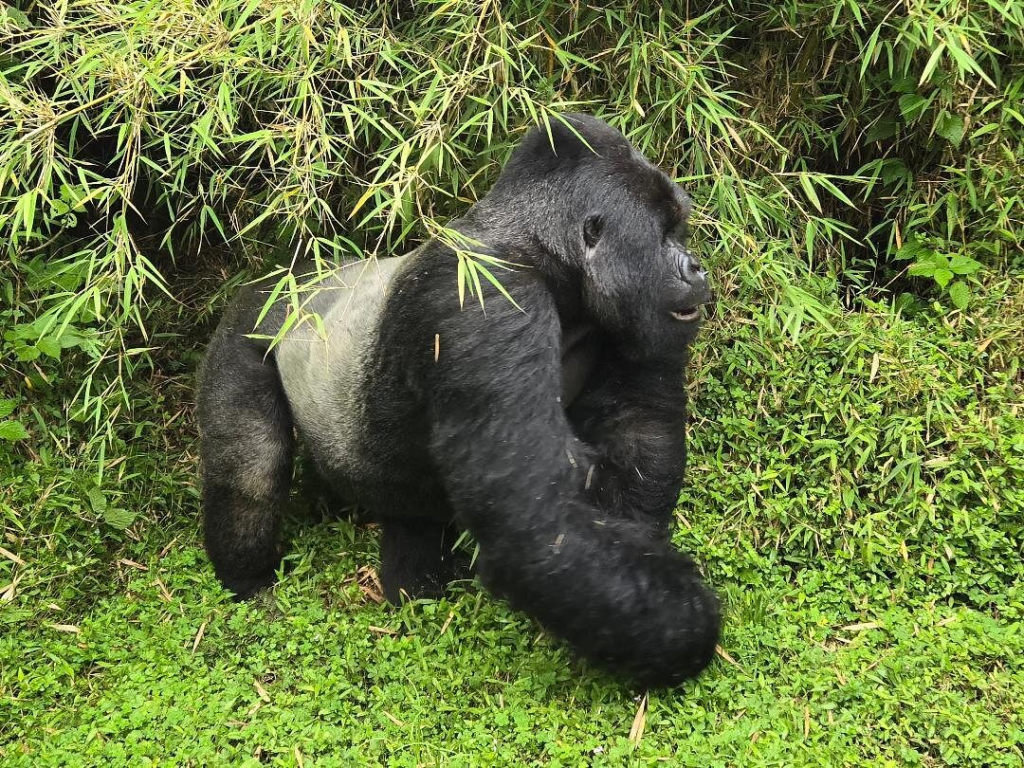
Few wildlife experiences compare to the excitement of getting up close and personal with the endangered mountain gorillas in their natural habitat. These phenomenal Giant Apes- with their distinctive thick, long, dark fur, and powerful builds- represent the pinnacle of gorilla trekking experiences for many primate enthusiasts.
However, spotting the endangered mountain gorillas in their natural habitats requires proper preparation, a reasonable level of physical fitness, patience, knowledge, and enthusiasm. Our comprehensive guide will equip beginners with essential information to maximize their chances of encountering these majestic creatures while respecting their natural environment and staying safe.
Gorilla trekking destinations
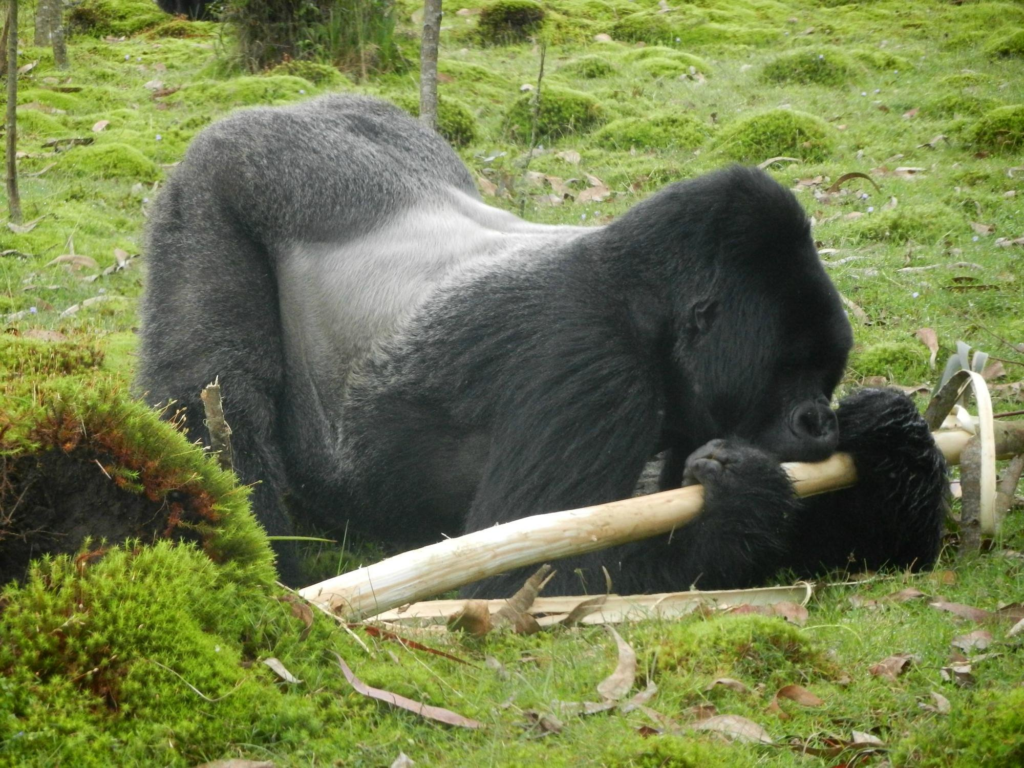
The endangered Mountain gorillas historically range across three spectacular countries in East-Central Africa of Uganda (in Bwindi Impenetrable Forest and Mgahinga Gorilla National Park), Rwanda (in Volcanoes National Park), and the Democratic Republic of Congo (in Virunga National Park).
Gorilla trekking in Uganda
The largest populations of these iconic creatures exist in Uganda (approximately 500 mountain gorillas), where they live in tropical rainforests, evergreen forests, bamboo forests, grasslands, and others.
Uganda’s National Parks- particularly Bwindi Impenetrable National Park and Mgahinga Gorilla National Park provide some of the most unforgettable chances for mountain gorilla sightings globally. These two Safari destinations combine healthy mountain gorilla populations with varying terrains that facilitate tracking (on foot) and unforgettable viewing experiences.
The 32100-hectare Bwindi Impenetrable National Park alone has over 480 mountain gorillas living in four different sectors- Buhoma (Northern Bwindi), Rushaga (southern Bwindi), Ruhija (Eastern Bwindi), and Nkuringo (southern Bwindi). These sectors boast a combined 25 gorilla families that can be tracked during unforgettable gorilla trekking experiences.
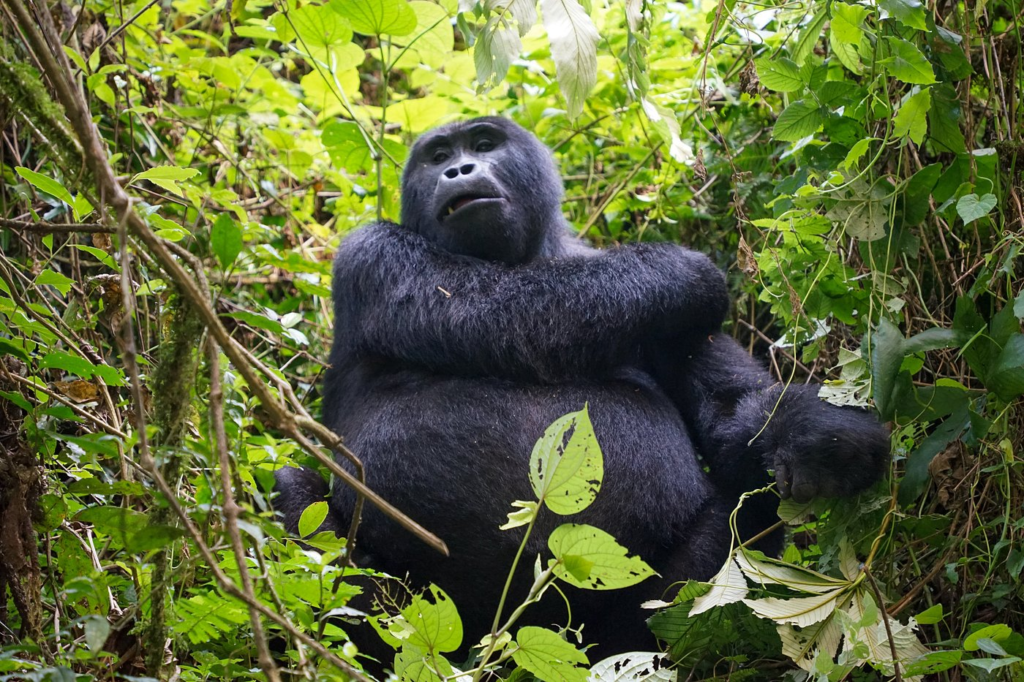
This Protected Area, spanning Kanungu, Rubanda, and Kisoro districts, houses a unique population of mountain gorillas, though the dense vegetation (impenetrable forest) makes sightings challenging. Aside from the standard gorilla trekking adventures offered in all four sectors of Bwindi, this Park also boasts the opportunity of undertaking the Gorilla Habituation Experience, where visitors are given the chance to get up close and personal with the Giant Apes still undergoing Habituation (semi-habituated gorillas). This adventure makes it possible to spend up to four hours with the Giant Apes (unlike the one hour spent with mountain gorillas during the normal gorilla treks). Only four permits are sold for this experience, and only one gorilla family in the Rushaga sector can be visited.
Mgahinga Gorilla National Park is one of the smallest and rarely-explored Protected Areas, found in southwestern Uganda, covering an area of 34 square kilometers. Famous for its only habituated gorilla family, known as “Nyakagyezi Gorilla Family”, only a total of 8 gorilla permits are issued for this Park each day.
There are a few mountain gorillas in this National Park, and although sightings are never 100% guaranteed, your chances of seeing them are surprisingly relatively high. As well as being one of the fantastic places to spot mountain gorillas in the wild, the evergreen forest, rolling hills, and grassy areas, as well as views of the Virunga Volcanoes, also make this Park a phenomenal location just for the scenery.
At the time of writing, Gorilla permits for Uganda cost $800 per person for foreign non-residents, $700 per person for foreign residents, and Shs. 300,000 for East African Community residents.
Gorilla Trekking in Rwanda
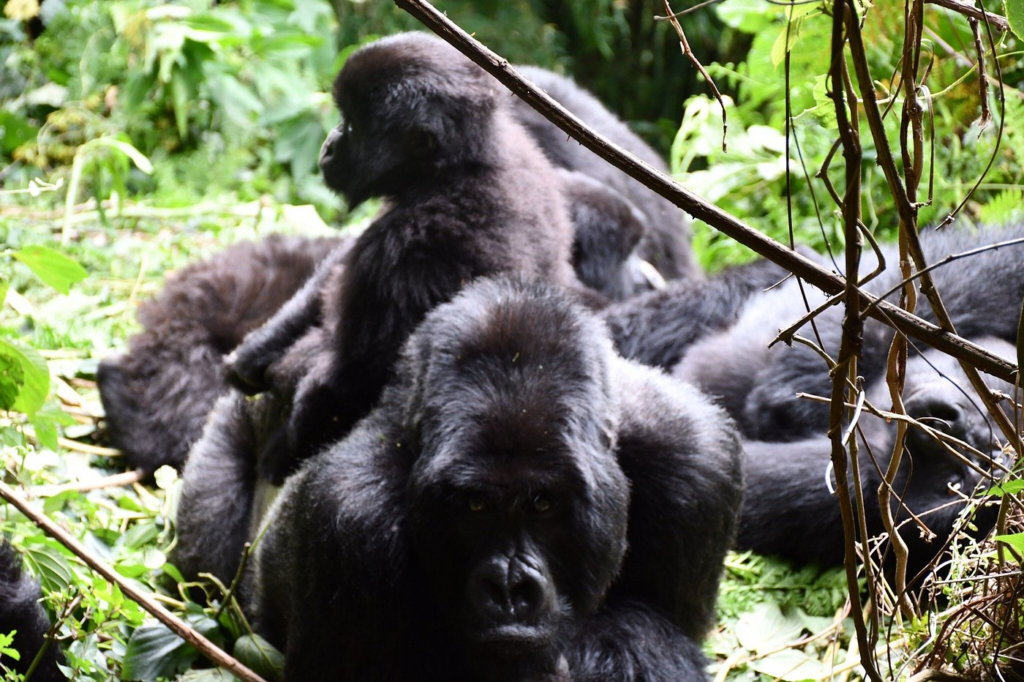
As the setting for the “Gorillas in the Mist” film, Volcanoes National Park is perhaps Rwanda’s most famous National Park. The Park is 160 square kilometers with a mountain gorilla population of about 300 individuals.
The Forest here is relatively sparse (compared to Bwindi Impenetrable National Park) due to the vast Bamboo forest, and your chances of seeing the endangered Giant Apes are incredible and very good.
A total of 12 gorilla families have been habituated in Volcanoes National Park, and the Rwanda Development Board issues up to 96 gorilla permits each day for this Protected Area. Rwanda gorilla permits cost $1500 per person at the time of writing.
Gorilla trekking in the Democratic Republic of Congo
Gorilla trekking in Virunga National Park in the Democratic Republic of Congo is surprisingly high on the bucket list of many primate lovers, with at least a third of the World’s population of these Giant Apes living in its verdant volcanic forests.
There are 8 habituated gorilla families in Virunga National Park, meaning a total of 64 gorilla permits are issued each day by Institut Congolais pour la Conservation de la Nature (ICCN).
At the time of writing, Congo gorilla trekking permits cost $400 per person.
When to go for gorilla trekking
One of the most significant factors to consider when planning a gorilla trekking safari is the seasons, particularly if you expect unforgettable experiences.
The dry season starts in June through September, then from December to February. This is when gorilla trekking experiences are at their best, and the weather is far more bearable compared to the wet season. The dry season is when the heat soars to temperatures between 25 and 30°C, with forest trails being drier and more favorable to maneuver through while searching for the Giant Apes. Also, these months offer the best gorilla viewing conditions as vegetation thins out, making it less challenging to search for them.
The wet/rainy season (March to May, October/November) provides comfortable (cooler) temperatures but denser vegetation and muddy/slippery forest trails. However, this season comes with certain advantages that include considerably lower gorilla safari costs, as some Lodges provide discounted rates on accommodation.
Essential gear and equipment for Gorilla trekking
Proper gear and equipment enhance both your gorilla trekking/viewing experience and safety during gorilla trekking.
A pair of binoculars provides the ideal balance of magnification and field of view for gorilla trekking and viewing.
A camera (preferably non-flash) with a telephoto lens makes it possible for visitors to enjoy detailed photography of the endangered mountain gorillas without disturbing their day-to-day routines. Additionally, a beanbag or other camera support is essential, and make sure that it works in the jungles.
Dress in breathable, comfortable, neutral, earth-toned clothing (avoiding bright or white colors) that properly blends with the natural environment. Talking of clothing, you need long-sleeved shirts and safari pants to avoid scratches while maneuvering through the jungles.
Layer appropriately for temperature variations; cool mornings and evenings. We also recommend a wide-brimmed hat, sunscreen, and sunglasses for sun protection.
An insect repellant is essential for comfort and protecting you from irritating insects, especially bugs, while on your gorilla trekking adventure.
Pack a reusable water bottle, as gorilla trekking adventures last several hours and dehydration is a risk, regardless of the season. However, it is worse in hot weather.
Gorilla trekking rules and regulations
Following gorilla trekking rules and regulations not only increases sighting opportunities, but also ensures the safety of visitors, as it ensures the health of both gorillas and visitors during these once-in-a-lifetime opportunities.
First, always ensure that you are of good health (free of flu, cough, and other communicable diseases) before tracking the mountain gorillas. Remember that these Great Apes are closely related to humans, hence susceptible to many human diseases.
Always maintain silence during gorilla trekking or when in the presence of the Giant Apes, as human voices can scare them into hiding, hence ruining your long-awaited viewing experience.
Keep cameras and all your bags behind you before approaching mountain gorillas.
Avoid approaching mountain gorillas too closely. Maintain the minimum distance regulations (usually 7-8 meters) established by Park Authorities.
Flash photography disturbs the endangered mountain gorillas, hence typically prohibited.
Remain in your group during gorilla trekking and sightings to avoid triggering defensive responses from the Giant Apes.
Spend the recommended one hour in the presence of Mountain gorillas and avoid going beyond the time limit to avoid disrupting their daily routines.
The minimum age limit for gorilla trekking is 15 years.
You have a maximum of one hour in the presence of mountain gorillas during standard gorilla treks and up to four hours with them during the Gorilla Habituation Experience.