Mountain Gorillas: Habitat, Behavior & Gorilla Trekking in 2026 Safaris
What is a Mountain Gorilla?
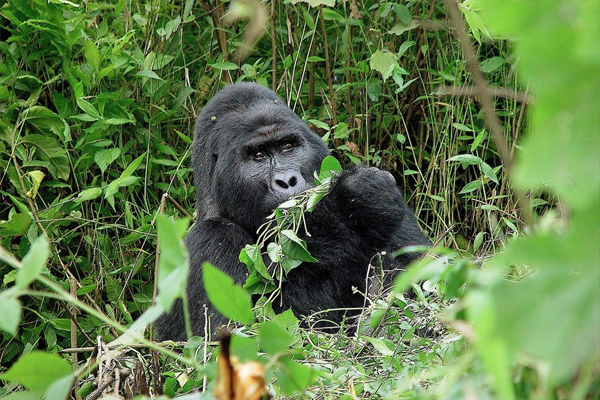
The mountain gorilla is a majestic subspecies of the eastern gorilla and one of the most iconic primates of Africa. These gentle giants inhabit the high-altitude forests of the Albertine Rift in Central Africa, representing one of only two subspecies of eastern gorillas alongside the eastern lowland gorilla.
Mountain gorillas stand out with their massive size and distinctive physical traits. Adult males, known as silverbacks, can weigh up to 220 kg (485 lbs) and reach a standing height of nearly 2 meters, boasting broad chests, powerful arms, and a striking patch of silver-gray hair on their backs that develops with maturity.
Females are smaller, typically weighing 70-100 kg. Their thick, long fur—denser than that of lowland gorillas—provides essential insulation against the chilly, misty conditions of their montane habitats.
Beyond their imposing physique, these primates of Africa exhibit remarkable intelligence, with complex social behaviors, tool use in some contexts, and emotional depth that fascinates researchers and visitors alike.
Socially, mountain gorillas live in stable family groups called troops, usually led by a dominant silverback. This leader protects the group, makes decisions on movement and feeding, and maintains harmony among members, which include adult females, juveniles, and infants. Troops range from 5 to 30 individuals, averaging around 10.
The silverback’s authority ensures group cohesion, while younger males (blackbacks) often serve as sentinels or eventually disperse to form new groups.
These gorilla species share about 98% of their DNA with humans, highlighting their close evolutionary ties and making encounters with them profoundly moving. Their intelligence shines through in problem-solving, nurturing behaviors, and varied communication methods.
Where Do Mountain Gorillas Live?
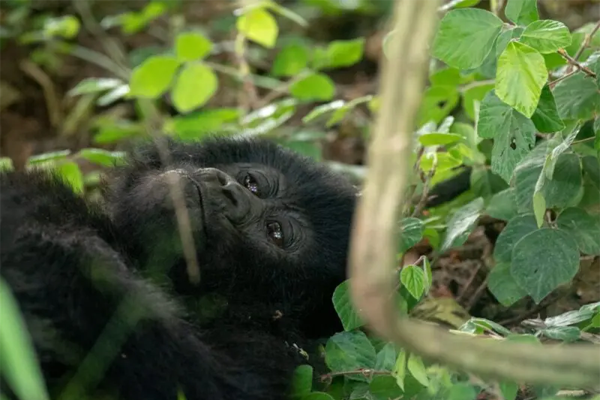
Mountain gorillas have one of the most restricted ranges of any great ape, found exclusively in the misty, high-elevation forests of the Virunga Massif and Bwindi Impenetrable Forest. These habitats straddle three countries: Uganda, Rwanda, and the Democratic Republic of Congo (DRC).
In Uganda, the largest population resides in Bwindi Impenetrable National Park, a UNESCO World Heritage Site renowned for its dense, ancient rainforest that earned the name “impenetrable” due to its thick vegetation.
A smaller group lives in Mgahinga Gorilla National Park, part of the Virunga chain. Rwanda hosts gorillas in Volcanoes National Park, where lush volcanic slopes rise dramatically. In the DRC, they inhabit Virunga National Park, Africa’s oldest national park, with its active volcanoes and diverse ecosystems.
The ecosystems feature cool, misty montane forests at altitudes of 2,200 to 4,300 meters. Vegetation includes bamboo, giant lobelia, and dense undergrowth on steep volcanic slopes, creating a challenging yet breathtaking environment.
These areas experience frequent rainfall and temperature drops, which the gorillas’ thick fur helps them endure. The forests support rich biodiversity, with waterfalls, clear streams, and a mix of hardwood trees and herbaceous plants that form the backbone of the gorillas’ diet.
Explore our gorilla trekking safari packages to witness these unique habitats firsthand while contributing to their protection.
Mountain Gorilla Population & Conservation Status
As of recent estimates in 2025-2026, the global mountain gorilla population stands at approximately 1,063 individuals in the wild—an encouraging increase from fewer than 400 in the 1980s and around 1,004 in 2018. This growth reflects dedicated conservation work across their range.
The IUCN Red List classifies mountain gorillas as Endangered, a downgrade from Critically Endangered in 2018, thanks to population recovery in both the Virunga Massif (around 604) and Bwindi (roughly 459).
Despite this success, threats persist: habitat loss from agricultural encroachment and human settlement, poaching for bushmeat or snares (often targeting other animals but harming gorillas), and disease transmission from humans, given their genetic closeness to us.
Conservation stands as a remarkable success story. Organizations like WWF, the International Gorilla Conservation Programme (IGCP—a collaboration with Fauna & Flora and Conservation International), and national park authorities (Uganda Wildlife
Authority, Rwanda Development Board, and Institut Congolais pour la Conservation de la Nature) have driven progress through anti-poaching patrols, community engagement, veterinary care, and regulated ecotourism.
Tourism revenue funds protection efforts, habitat restoration, and local development, turning local communities into stewards. Continued vigilance remains vital to sustain this positive trajectory for these primates of Africa.
Mountain Gorilla Behavior & Social Life
Imagine trekking through dense forest when you hear rustling leaves and deep grunts—suddenly, a family of mountain gorillas emerges, going about their day with calm curiosity. These gorilla species thrive in close-knit troops where social bonds define daily life.
Troops typically feature one dominant silverback as leader, supported by females and offspring. The silverback makes key decisions, mediates conflicts, and fiercely protects against external threats like rival males.
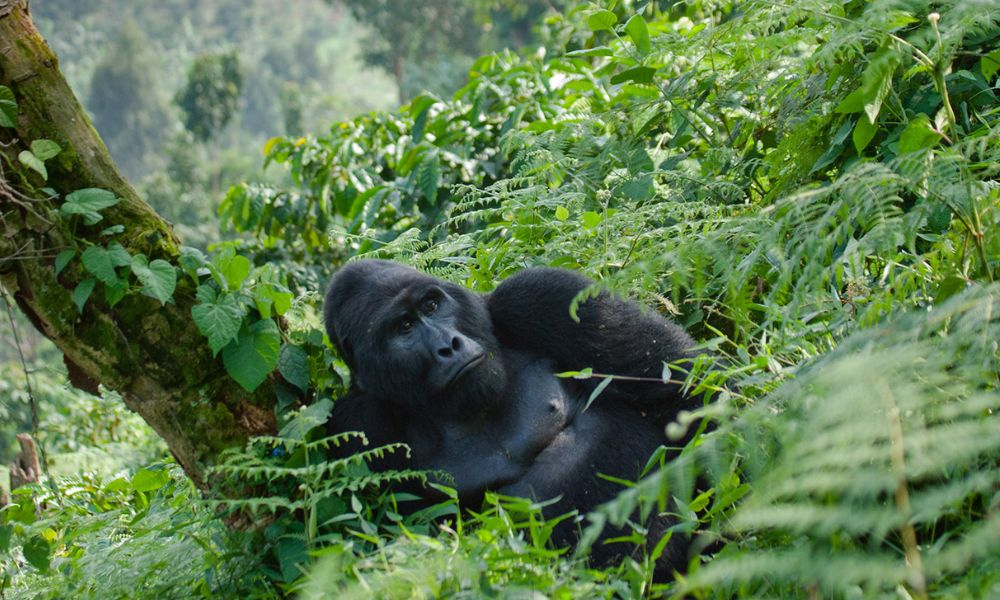
Females form the stable core, often staying with the group for life, while males may disperse upon maturity. Playful juveniles and infants add energy, with mothers and the silverback sharing caregiving duties.
Diet is strictly herbivorous: they spend much of the day foraging on leaves, shoots, stems, fruits, and bark—consuming up to 20-30 kg daily depending on size. This vegetarian lifestyle supports their massive frames in nutrient-rich but seasonal forests.
Communication is sophisticated, involving vocalizations like grunts, belches (for contentment), and barks for alarm. Iconic chest-beating serves as display, intimidation, or excitement, while body language, grooming, and facial expressions strengthen bonds. Their behavior reveals personalities—some bold explorers, others gentle nurturers—making each encounter unique and deeply engaging.
Mountain Gorilla Trekking Experience
Standing face-to-face with a wild mountain gorilla is one of the most powerful wildlife experiences on Earth. The heart-pounding anticipation builds as you hike through misty forests, guided by experienced rangers and trackers who know the terrain and gorilla movements intimately.
A typical gorilla trekking adventure begins early with a briefing at the park headquarters. Groups of up to eight trekkers per habituated family set off, with the journey lasting 1 to 6 hours or more, depending on the gorillas’ location that day.
Terrain varies from steep, muddy slopes in dense jungle to more open volcanic paths—moderate to challenging fitness is recommended, but the reward is unmatched.
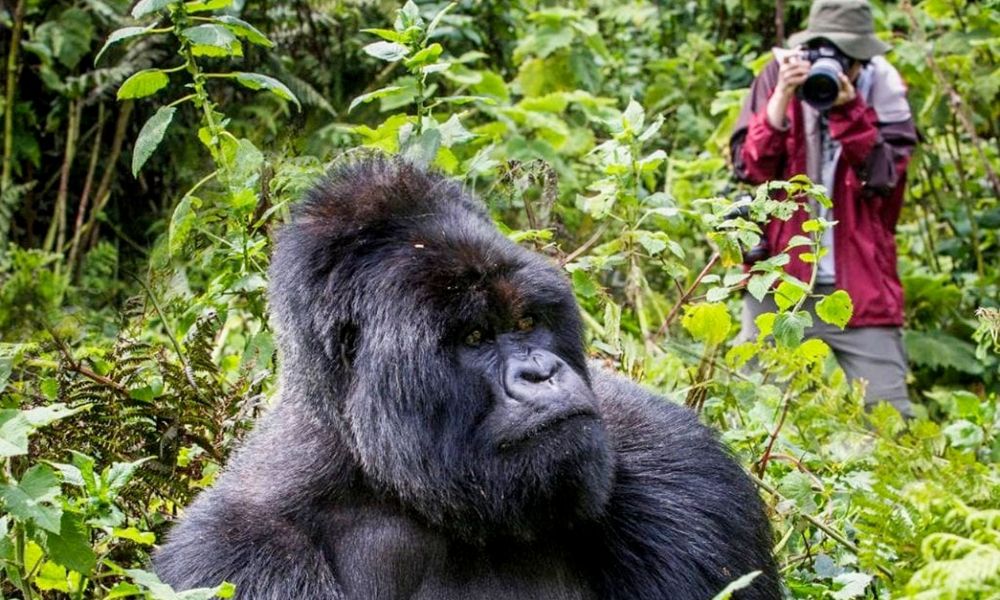
Upon locating the group, you spend a magical one hour observing them at close range (maintaining the required distance). Watch a silverback lounge dominantly, juveniles tumble in play, or a mother tenderly nurse her infant.
The encounter feels intimate yet respectful, often evoking profound emotions of connection and awe. Many describe it as life-changing, bridging the gap between human and wild primate worlds.
Trekking supports conservation directly through permit fees and fosters global awareness. Whether in Uganda’s lush Bwindi or Rwanda’s scenic Volcanoes, the experience combines adventure, education, and emotional depth.
Gorilla Trekking Permits & Cost
Gorilla trekking permits are strictly limited to protect the animals and ensure quality experiences, making advance booking essential.
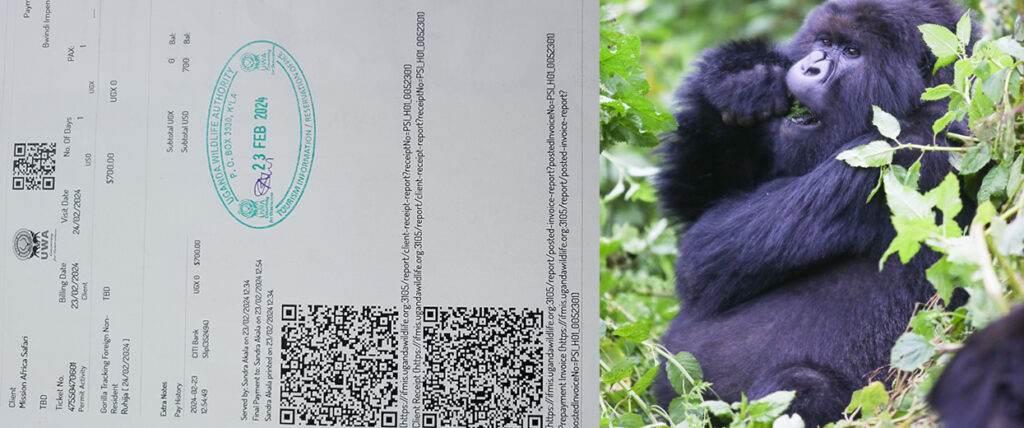
- Uganda: $800 USD per person for foreign non-residents (standard one-hour trek in Bwindi or Mgahinga). Habituation experiences cost $1,500.
- Rwanda: $1,500 USD for foreign visitors in Volcanoes National Park (discounts available for multi-park stays or residents).
- DR Congo (Virunga): Often around $400 when available, offering a more affordable but security-dependent option.
Permits cover park entry, ranger guides, trackers, and the one-hour visit. They fund anti-poaching, community projects, and habitat management.
Booking occurs through official wildlife authorities or trusted tour operators, often months in advance due to high demand and daily limits (e.g., 8 people per group).
Book early to secure your gorilla permit and avoid disappointment, especially for peak seasons.
Best Time to See Mountain Gorillas
The best time to see mountain gorillas aligns with the dry seasons: June to September and December to February. Trails are less slippery, vegetation thinner, and hiking more comfortable under clearer skies.
Wet seasons (March-May, October-November) bring lush scenery, fewer crowds, and potentially lower rates in some areas, though rain can make paths challenging.
Gorillas remain active year-round, so any time offers rewards—choose based on your preference for weather versus solitude.
Check this guide to learn more about Best time to visits Uganda for Gorilla Trekking.
Uganda vs Rwanda Gorilla Trekking
Choosing between Uganda and Rwanda for gorilla trekking depends on priorities:
| Feature | Uganda | Rwanda |
|---|---|---|
| Cost | Lower ($800 permit) | Higher ($1,500 permit) |
| Experience | Dense jungle, immersive | Volcanic slopes, scenic views |
| Accessibility | Moderate hikes, varied terrain | Often easier access, good infrastructure |
Uganda appeals for affordability and raw wilderness feel in Bwindi, while Rwanda offers polished logistics and dramatic landscapes. Both deliver unforgettable encounters with these gorilla species.
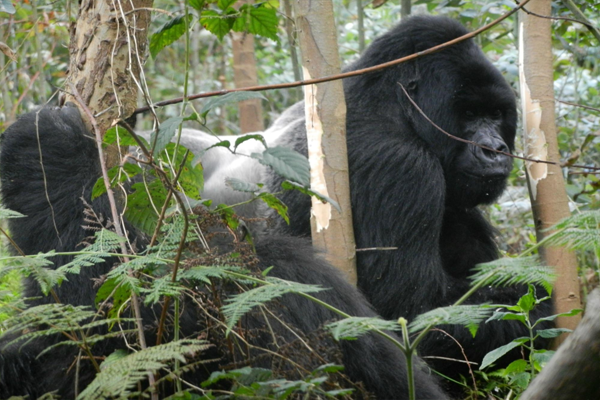
What to Pack for Gorilla Trekking
Prepare with practical gear for variable mountain conditions:
- Sturdy hiking boots with good grip
- Waterproof rain jacket and pants
- Long-sleeved shirts, gloves, and hat for protection from nettles and insects
- Camera or binoculars (no flash photography)
- Daypack, reusable water bottle, snacks, and sunscreen
Light layers work best, as temperatures fluctuate.
Rules & Etiquette When Visiting Gorillas
Respectful behavior ensures safety and minimal disturbance:
- Maintain at least 7 meters (21 feet) distance
- No flash photography; speak quietly
- Do not trek if you feel sick (to prevent disease transmission)
- Follow ranger instructions, avoid sudden movements, and never feed or touch the gorillas
These guidelines protect both visitors and the sensitive mountain gorillas.
Why Mountain Gorilla Safaris Are Worth It
A mountain gorilla safari offers a rare, intimate encounter with one of Earth’s most endangered yet resilient animals. It supports vital conservation efforts that have driven population growth, benefits local communities through revenue sharing, and delivers a truly life-changing experience—fostering deeper appreciation for wildlife and our shared planet.
Best Gorilla Safari Packages
Discover tailored options for every traveler:
- 3 Days Bwindi Gorilla Trek: Ideal introduction with one trek, comfortable lodging, and cultural insights. Perfect for time-conscious visitors seeking luxury or budget lodges.
- 4 Days Flying Gorilla Safari: Efficient fly-in from Entebbe or Kigali, minimizing road time for seamless luxury experiences.
- 7 Days Uganda Primates Safari: Combines gorilla trekking with chimpanzee encounters in Kibale or other primates, offering comprehensive wildlife immersion.
Choose luxury options with upscale lodges and private transfers or budget-friendly setups with excellent value. All packages emphasize responsible tourism, expert guides, and direct conservation impact.
Ready for your adventure? Contact us today to customize your gorilla safari and book your permit.
Frequently Asked Questions About Mountain Gorillas
Are mountain gorillas dangerous?
Generally no—they are gentle and shy unless provoked. Habituated groups tolerate humans calmly under ranger supervision.
How many are left?
Approximately 1,063 individuals remain in the wild, split between Bwindi and the Virunga Massif.
Can you touch a gorilla?
No—strict rules maintain distance to prevent stress and disease.
Why are permits expensive?
Fees fund conservation, anti-poaching, community development, and sustainable management of limited daily slots.
What is the best country for gorilla trekking?
It depends: Uganda for value and density of experience; Rwanda for accessibility and scenery. Both excel.
Conclusion – Plan Your Mountain Gorilla Safari
Encountering mountain gorillas in their natural habitat creates an unforgettable bond with nature and underscores the urgency of protection. With populations growing yet still vulnerable, your visit directly aids their future.
Don’t delay—book your gorilla trekking safari now for an experience that inspires, educates, and contributes to one of conservation’s greatest success stories. The misty forests await, promising a profound connection with these extraordinary primates of Africa.