
Discover the Best Time to Visit Uganda: Your Ultimate Guide to the Pearl of Africa Safari Adventure
The best time to visit Uganda is during the dry seasons (June–August, December–February) for ideal gorilla trekking and wildlife safaris. Expect easier trails in Bwindi Impenetrable National Park and excellent game viewing across national parks, making it perfect for unforgettable safari experiences year-round.
Uganda, proudly known as the Pearl of Africa, captivates travelers with its breathtaking landscapes, diverse wildlife, and welcoming spirit.
This equatorial gem offers incredible Uganda safari experiences year-round, from misty montane forests teeming with mountain gorillas to sweeping savannas alive with big game.
While you can explore Uganda in any season, choosing the right time maximizes comfort, sightings, and value—whether you’re trekking through dense jungles or spotting lions on game drives.
Highlights include Bwindi Impenetrable National Park, home to over half the world’s remaining mountain gorillas; Queen Elizabeth National Park, famous for its tree-climbing lions and diverse ecosystems; and Murchison Falls National Park, where the mighty Nile thunders through a narrow gorge.
These iconic destinations deliver unforgettable moments for wildlife enthusiasts, photographers, and adventure seekers alike.
Uganda’s equatorial climate ensures pleasant conditions most of the year, but seasonal shifts influence trekking ease, wildlife behavior, and costs. Planning around these patterns helps you craft the perfect itinerary.
Ready to experience the magic? Plan your safari with RivoSafaris today and let expert local guides turn your dream Uganda adventure into reality.
Uganda Climate Overview
Uganda sits astride the equator, resulting in a tropical equatorial climate characterized by consistent warmth and two distinct rainy and dry seasons rather than the four seasons familiar in temperate zones.
This positioning, combined with varied altitudes—from lowland savannas to highland forests—creates pleasant temperatures year-round, typically ranging between 20–30°C (68–86°F) on average, with cooler nights in higher elevations like Bwindi or Kibale. Daytime highs can reach 28–33°C in drier months, while mornings often feel refreshing at 16–20°C.
The country experiences two main dry seasons and two wet seasons. The primary dry periods run from June to August (longer dry season) and December to February (shorter dry season). These months bring lower rainfall, clearer skies, and more predictable conditions.
Wet seasons occur from March to May (long rains) and September to November (short rains), when precipitation increases, greening the landscapes dramatically.
Despite the rains, Uganda remains a year-round safari destination. Rainfall is rarely all-day downpours; showers often arrive in the afternoon, leaving mornings ideal for activities.
This bimodal pattern means wildlife viewing and primate trekking stay viable throughout the year, with each season offering unique advantages—lush photography in the wet months or concentrated animal sightings in the dry ones. Altitude moderates heat, preventing extreme temperatures, while humidity stays manageable.
Understanding this climate helps travelers pack appropriately and set realistic expectations. Whether you seek gorilla trekking in Uganda or relaxed game drives, the Pearl of Africa’s stable weather ensures rewarding experiences no matter when you visit. Rivo Safaris tailors itineraries to match seasonal nuances for maximum enjoyment.
Best Time to Visit Uganda by Season
1. 🔆 Dry Season (June–August & December–February)
The dry season stands out as the best time for Uganda safari adventures, particularly for demanding activities like gorilla trekking and wildlife game drives.
From June to August (peak long dry season) and December to February (short dry season), rainfall drops significantly, creating firmer trails, clearer visibility, and more comfortable conditions overall.
Key advantages include:
- Easier trekking in forests: Reduced mud and slippery paths make hikes through Bwindi Impenetrable National Park and Kibale National Park far more manageable, especially for gorilla and chimpanzee encounters.
- Concentrated wildlife: Animals gather around limited water sources, boosting sighting success rates for elephants, lions, leopards, and buffalo during game drives in Queen Elizabeth National Park and Murchison Falls National Park.
- Better photography and access: Drier vegetation thins out, improving views, while roads remain passable for smoother transfers.
This period suits first-time visitors and those prioritizing reliability. June–August often sees the driest conditions with excellent trekking, while December–February offers warm, sunny days ideal for combining safaris with relaxation. Peak demand means higher lodge rates and the need for advance bookings.
Explore our dry season gorilla safaris with Rivo Safaris for expertly guided experiences that capitalize on optimal weather.
2. 🌧️ Wet Season (March–May & September–November)
The wet season delivers a different charm, positioning it as an excellent choice for budget-conscious travelers and birding enthusiasts.
Though trails can become challenging, the rewards include dramatic lush green landscapes perfect for photography, fewer crowds, and significant discounts on accommodations.
Best for:
- Bird watching: Migratory species arrive, swelling Uganda’s already impressive list of over 1,000 bird species.
- Budget travel: Lodges and operators often offer attractive discounts, delivering higher value for your safari investment.
Advantages:
- Vibrant, photogenic scenery with blooming vegetation and flowing waterfalls.
- Quieter parks for more intimate wildlife encounters.
- Potential for last-minute availability on permits.
Challenges:
- Slippery trekking trails and occasional heavy afternoon rains can make gorilla hikes more strenuous.
- Some roads may require 4×4 vehicles for reliable access.
Smart travelers view the wet season as a high-value opportunity: lower prices often mean access to upgraded lodges without the peak-season premium.
With proper preparation—like waterproof gear and flexible itineraries—the experience remains highly rewarding. Lower prices = higher value safari when you book with a professional operator like Rivo Safaris, who knows how to navigate seasonal conditions seamlessly.
Overall, Uganda’s year-round accessibility means your choice depends on priorities—dry season for ease and sightings, wet season for savings and greenery. Experienced guides ensure safety and enjoyment regardless of timing.
Month-by-Month Guide to Uganda Weather and Safaris
Planning a Uganda safari benefits from this detailed month-by-month guide, optimized for high SEO value with targeted keywords like Uganda safari in June, Uganda weather in July, and more. Each period offers distinct conditions for activities.
1. January – February:
Peak of the short dry season. Excellent for wildlife viewing as animals concentrate at waterholes. Warm, dry days (up to 28–30°C) with minimal rain make this ideal for gorilla trekking, game drives, and general safaris. Fewer crowds than June–August in some areas, yet superb conditions. Perfect for Uganda safari in January or February.
2. March – May:
Long rainy season. Expect more frequent showers, especially in April and May, creating lush landscapes but muddier trails. Fewer tourists mean cheaper rates and a relaxed atmosphere. Great for birders and photographers; still possible for trekking with proper gear. Budget-friendly Uganda safari in March or April.
3. June – August:
Prime long dry season and peak tourism period. Uganda safari in June and Uganda weather in July shine with dry trails, excellent visibility, and high wildlife activity. Best months for gorilla trekking and chimpanzee encounters due to firm forest paths. High demand requires early booking. Ideal for first-timers seeking optimal comfort.
4. September – November:
Short rainy season with moderate precipitation. Greener scenery and strong bird watching opportunities as migrants linger. Trails can be slippery early on, but conditions improve toward November. Shoulder season pricing offers good value for Uganda safari in September or October, with fewer crowds.
5. December:
Transition to short dry season with festive travel appeal. Drying conditions support solid wildlife viewing and trekking. Popular for year-end holidays, combining warm weather with holiday spirit. Great entry point for Uganda safari in December.
This month-by-month breakdown highlights how Uganda adapts to every preference, from peak-season reliability to low-season value. RivoSafaris customizes packages around your chosen timing for seamless adventures.
Best Time for Gorilla Trekking in Uganda
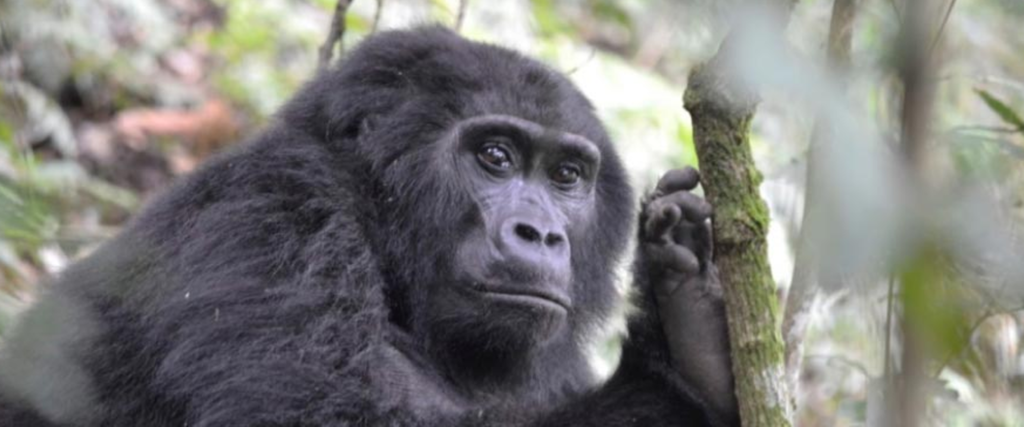
Gorilla trekking remains Uganda’s signature experience, with Bwindi Impenetrable National Park and Mgahinga hosting habituated mountain gorilla families.
The best time for gorilla trekking falls during the dry seasons: June–September and December–February. These months minimize mud, reduce slippery slopes, and ease navigation through dense vegetation, allowing trekkers to focus on the awe-inspiring one-hour encounter with these gentle giants.
Dry conditions improve visibility and comfort, especially for longer hikes. June–August often provides the most reliable weather, while September and December–February offer slightly fewer crowds in shoulder periods.
Permits cost a fixed $800 (foreign non-residents) year-round, but demand surges in peak dry months—only eight visitors per gorilla group daily.
Permit demand & booking urgency cannot be overstated. Book gorilla permits 3–6 months (or more) in advance for popular dates, especially June–August and December–February. Last-minute availability is rarer during peaks.
Book your gorilla permit early through Rivo Safaris to secure your spot and pair it with expert guiding, comfortable lodges, and seamless logistics. Our specialists ensure you maximize this once-in-a-lifetime opportunity while respecting gorilla conservation.
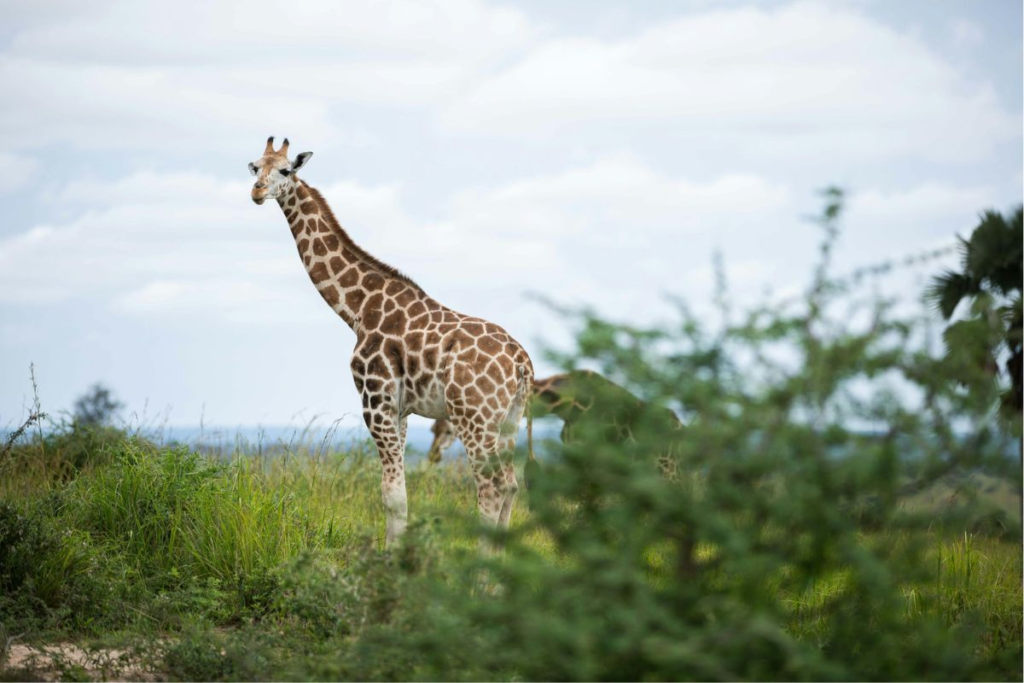
Best Time for Wildlife Safaris in Uganda
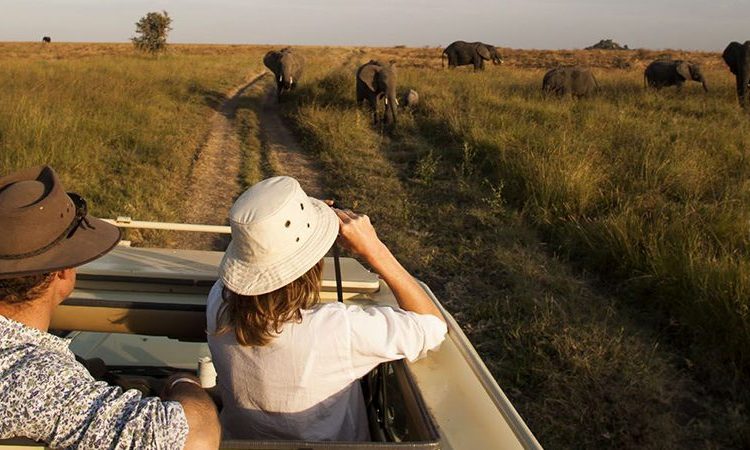
For classic wildlife safaris targeting African elephants, lions (including the famous tree-climbing lions), leopards, buffalo, and hippos, the dry seasons excel.
Animals congregate around water sources, improving spotting during morning and evening game drives. Queen Elizabeth National Park delivers diverse habitats—from savanna to wetlands—while Murchison Falls National Park offers boat safaris on the Nile alongside dramatic falls views.
June–August and December–February provide the clearest advantages: drier roads, better visibility, and higher concentrations of game. Wet seasons still allow rewarding drives with greener backdrops, though sightings may require more patience.
Rivo Safaris designs wildlife safari packages that optimize these windows for maximum encounters.
Best Time for Chimpanzee Trekking in Uganda
Chimpanzee trekking in Kibale National Park (“the primate capital”) thrives year-round, but the dry season (June–August and December–February) makes it easier.
Firmer trails and less dense undergrowth improve access to habituated troops. Chimpanzees stay active, with excellent chances of observing their social behaviors.
Wet months add lush scenery but can complicate hikes. Kibale offers both standard tracking and habituation experiences. Rivo Safaris combines chimp trekking with gorilla safaris for comprehensive primate adventures.
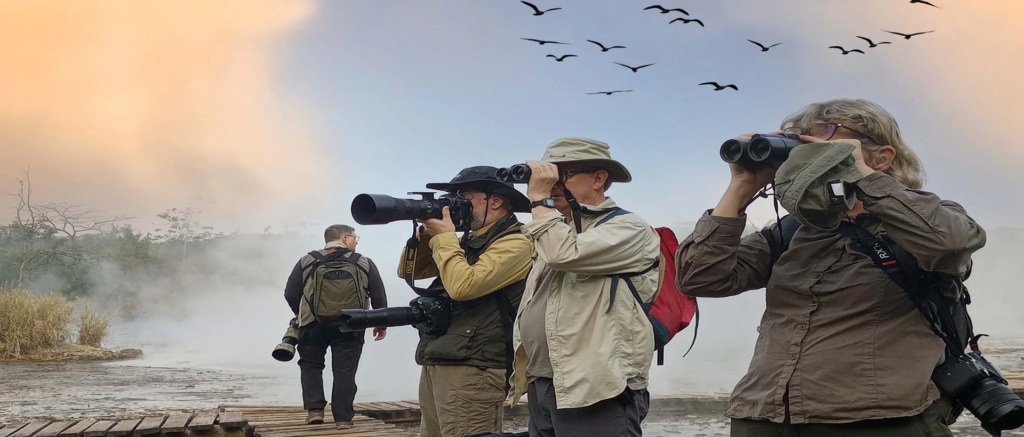
Best Time for Bird Watching in Uganda
Uganda boasts over 1,000 bird species, making it a premier birding destination. The peak for bird watching spans November–April, when Palearctic migrants from Europe and Asia arrive, joining resident and intra-African species.
Wet-season greenery and wetlands attract waterbirds, while dry periods improve visibility in forests and savannas. Prime spots include Mabamba Swamp (shoebill) and parks like Queen Elizabeth.
Dedicated birders thrive November–April, but general birding succeeds year-round. Rivo Safaris offers specialized birding extensions.
When to Visit Uganda for Budget Travel
The low season (March–May and September–November) shines for budget Uganda safari travelers. Lodges slash rates by 20–40%, fewer crowds enhance intimacy, and you can often upgrade accommodations for the same price.
While trails may be wetter, the value—discounted permits availability in quieter times and overall savings—makes it a smart strategy for savvy explorers.
Position this as the smart traveler strategy: experience the Pearl of Africa without compromising quality. Rivo Safaris helps maximize low-season benefits with tailored, cost-effective itineraries.
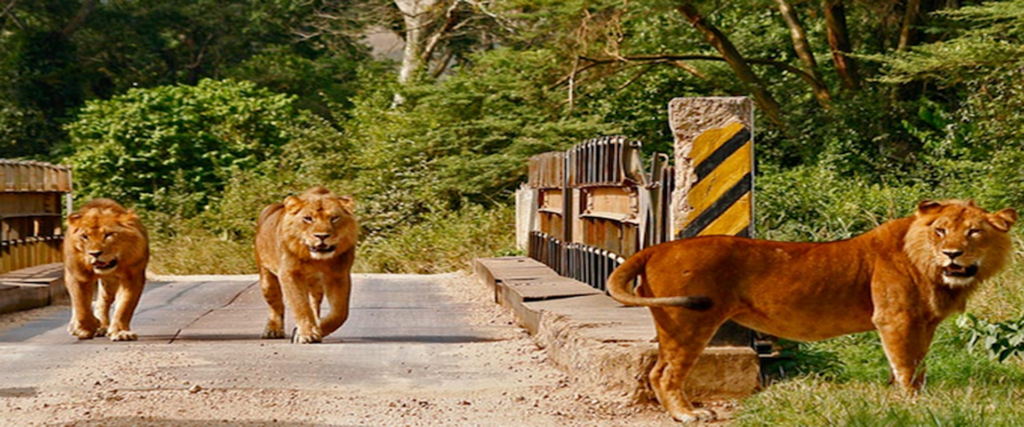
When NOT to Visit Uganda
Avoid the heaviest rains (peak April–May or October–November) if you dislike mud, slippery trekking, or potential road delays—particularly if mobility or strict comfort is a priority. Intense downpours can occasionally disrupt plans.
That said, flip it positively: even in wetter months, Uganda safari remains possible and rewarding with proper gear, flexible scheduling, and professional support. Many travelers enjoy the dramatic greenery and lower costs. Consult Rivo Safaris to assess if it fits your style.
Uganda Travel Tips
Successful Uganda travel starts with planning. Book gorilla permits early—ideally 3–6+ months ahead for peak seasons. Pack waterproof gear including sturdy boots, rain jackets, quick-dry clothing, and insect repellent. Layers handle temperature shifts between warm days and cooler evenings.
Hire a professional tour operator like Rivo Safaris for seamless logistics, knowledgeable guides, reliable vehicles, and conservation-focused practices.
Obtain necessary visas, vaccinations (yellow fever recommended), and travel insurance. Respect local customs and wildlife guidelines for ethical experiences.
Why Book with Rivo Safaris
Rivo Safaris stands out with local expertise, deep knowledge of Uganda’s parks, and passionate guides who prioritize safety and enrichment.
We craft custom itineraries tailored to your interests, whether gorilla-focused, wildlife-heavy, or budget-oriented. As gorilla trekking specialists, we secure permits efficiently and handle every detail—from luxury lodges to comfortable transfers.
Our commitment to responsible tourism supports conservation while delivering unforgettable adventures. Contact us today to plan your Uganda safari and experience the Pearl of Africa with confidence.
Frequently Asked Questions
Is Uganda good all year?
Yes—Uganda is a year-round safari destination thanks to its equatorial climate. Dry seasons offer easier trekking and concentrated wildlife, while wet seasons provide lush scenery, birding peaks, and better value.
Cheapest time to visit Uganda?
The low season (March–May and September–November) brings the best discounts on lodges and fewer crowds, making it ideal for budget travelers seeking high-value experiences.
Best month for gorilla trekking?
June–August and December–February rank as the top months due to drier trails and comfortable conditions. July and August often provide the most reliable weather.
When is peak safari season?
June–August and December–February define peak season, with higher demand, busier parks, and premium pricing—but optimal conditions for most activities.
Conclusion
Uganda truly earns its title as the Pearl of Africa, delivering world-class safari experiences year-round. While the dry season (June–August and December–February) stands out as the best overall time for comfortable gorilla trekking, wildlife viewing, and memorable adventures, the wet season rewards with vibrant landscapes, migratory birds, and exceptional value.
No matter your travel style or budget, the right timing—paired with expert planning—unlocks the magic of Bwindi, Queen Elizabeth, Murchison Falls, and beyond.
Plan your Uganda safari today with Rivo Safaris. Our team of local specialists will design a personalized journey that exceeds expectations. Contact us now to book your unforgettable African adventure!