Mountain Gorilla Habitat Destruction: The Crisis Threatening Uganda’s Gentle Giants 2026 guide
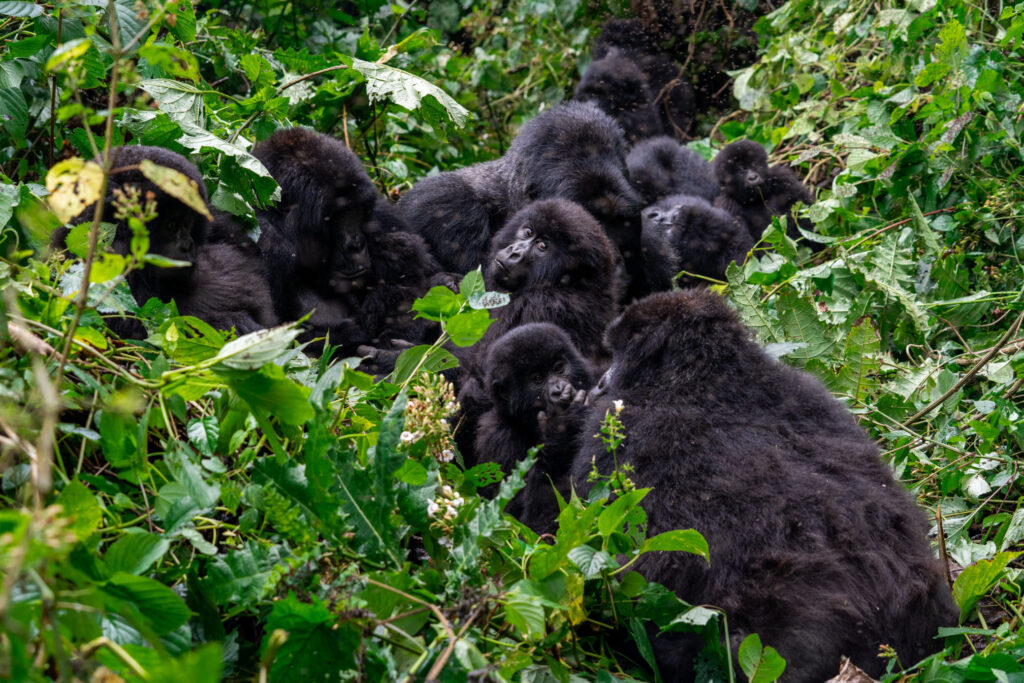
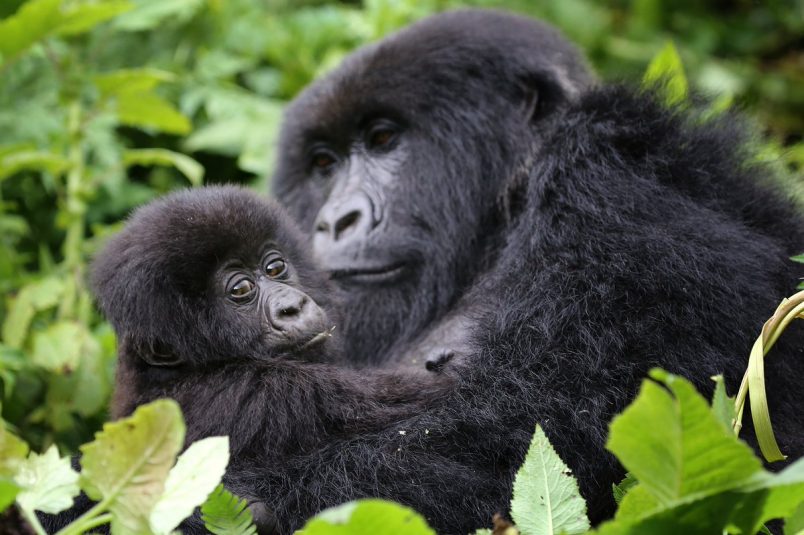
Mountain Gorilla Habitat Destruction: Mountain gorillas are the world’s most endangered primates, with only ~1,000 individuals remaining in the wild.
These gentle giants face an existential crisis, and the #1 threat driving them closer to extinction is mountain gorilla habitat destruction.
Every day, lush high-altitude forests in Bwindi Impenetrable National Park and Mgahinga Gorilla National Park shrink due to human activity, putting these precious creatures at unprecedented risk.
At Rivo Safaris Uganda, we’re committed to mountain gorilla conservation in Uganda through eco-friendly safari experiences that fund protection efforts while letting travellers witness these magnificent animals responsibly.
Understanding habitat loss is critical—and responsible tourism like ours is one of the most powerful tools we have to protect mo for future generations.
What Is Habitat Destruction and Why Does It Matter?
Habitat destruction occurs when a natural environment is significantly altered or degraded, rendering it unable to support its native species.
For mountain gorillas, this means the clearing, fragmentation, or degradation of their specialized high-altitude bamboo forests at 2,200–4,300 meters elevation.
Unlike other gorilla subspecies, mountain gorillas are habitat specialists—they cannot adapt to lowland forests or agricultural areas.
They depend entirely on dense vegetation for food (leaves, stems, pith), nesting sites, and protection from weather and predators.
This specialization makes them extremely vulnerable to habitat loss.
When their forest home shrinks or fragments:
-
Territory size decreases, forcing overcrowding and resource competition
-
Food sources become scarce, leading to malnutrition and lower reproductive rates
-
Population isolation occurs, preventing gene flow between groups
-
Human-wildlife conflict increases as gorillas venture into farmland
With only two populations globally—one in Uganda’s Bwindi Impenetrable Forest and another spanning Rwanda, Uganda, and DRC—every square kilometer of gorilla habitat lost is irreplaceable.
This is why mountain gorilla habitat destruction demands urgent attention from travelers, conservationists, and policymakers alike.
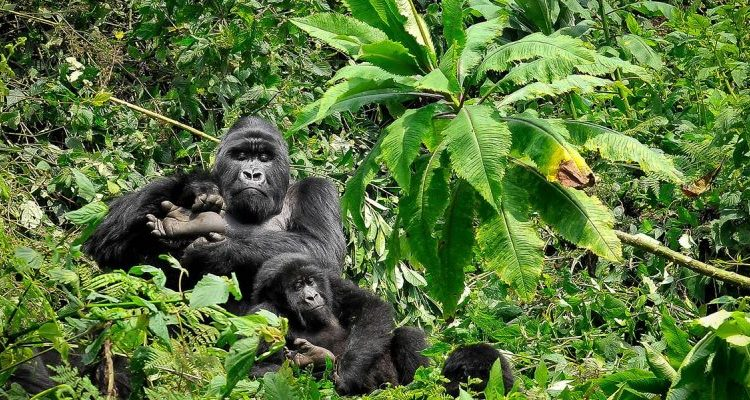
Top 5 Causes of Mountain Gorilla Habitat Loss in Uganda
1. Agriculture Expansion & Human Settlement
Population pressure around Bwindi and Mgahinga is the leading driver of habitat destruction.
The surrounding districts have some of Uganda’s highest population densities (over 400 people/km²), creating intense demand for farmland. Key issues include:
-
Land conversion for subsistence farming (matooke, beans, maize)
-
Commercial agriculture (tea plantations, coffee farms) encroaching on forest boundaries
-
Human settlement expansion as families build homes within or near forest edges
-
Charcoal production and timber harvesting for local markets
As families clear forest patches for cultivation, mountain gorilla territory shrinks, forcing groups into smaller, less viable areas. This is particularly devastating in Bwindi Impenetrable National Park, where gorilla families already occupy limited ranges.
2. Deforestation & Logging
Illegal logging remains a persistent threat to mountain gorilla habitat in Uganda. Despite strict protections under the Uganda Wildlife Authority (UWA), poachers continue to harvest valuable timber and bamboo.
Major problems include:
-
Firewood collection by nearby communities for cooking and heating
-
Construction timber extraction for local housing and infrastructure
-
Bamboo forest depletion—critical food source for gorillas, especially during dry seasons
-
Snare traps set for bushmeat accidentally entangling gorillas
Bamboo comprises 50–80% of a mountain gorilla’s diet, so bamboo forest depletion directly threatens their survival.
When gorillas cannot find adequate food, mothers produce less milk, infant survival rates drop, and group cohesion weakens.
3. Climate Change Impacts
Climate change is accelerating mountain gorilla habitat destruction in ways that are harder to control but equally devastating. Research shows rising temperatures are shifting vegetation zones upward by 10–20 meters per decade.
Specific impacts include:
These changes force gorillas to travel farther for food, increasing energy expenditure and exposure to human conflict zones.
Climate change impacts also weaken plant resilience, making forests more susceptible to disease and invasive species.
4. Human-Wildlife Conflict
When habitat fragmentation pushes gorillas into agricultural areas, human-wildlife conflict escalates dramatically.
This creates a cycle of retaliation and habitat degradation:
-
Gorillas raid crops (especially matooke and sweet potatoes), causing economic losses for farmers
-
Farmers retaliates by harming gorillas, building electric fences, or using toxic repellents
-
Fence construction fragments habitat, blocking traditional movement corridors between feeding areas
-
Stress from human proximity reduces gorilla reproductive success and increases infant mortality
In Bwindi, over 30% of reported gorilla incursions into farmland result in some level of conflict.
While UWA has implemented compensation programs, delays in payout often fuel resentment and continued hostility toward gorillas.
5. Poaching & Infrastructure Development
Poaching and infrastructure development are accelerating mountain gorilla habitat loss through both direct and indirect mechanisms:
-
Snaring for bushmeat: Accidental gorilla deaths when they step into traps set for antelope or buffalo
-
Road construction: New roads fragment forests, create access points for illegal loggers, and increase human intrusion
-
Tourism infrastructure: Poorly planned lodges, trails, and parking areas degrade sensitive feeding zones
-
Mining exploration: Prospecting for gold and other minerals threatens forest integrity in DRC and Uganda border areas
A 2024 study found that road density within 10 km of gorilla territory increased by 23% over the past decade, correlating with a 15% decline in gorilla group stability.
The Devastating Effects on Mountain Gorilla Populations
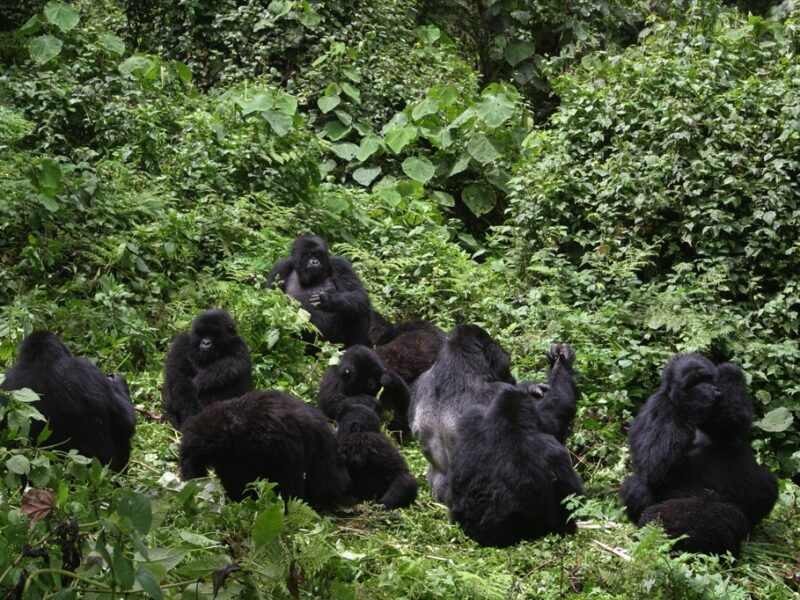
Mountain gorilla habitat destruction triggers a cascade of ecological and genetic consequences that threaten long-term species survival.
The impacts are severe and compounding:
-
Fragmented territories → inbreeding & lower genetic diversity: Isolated gorilla families cannot mate with other groups, leading to inbreeding depression. This reduces immune system strength and increases susceptibility to disease.
-
Reduced food availability → malnutrition & lower birth rates: When bamboo and broadleaf vegetation becomes scarce, gorillas lose body condition. Cannibalism of infants by stressed silverbacks has been documented in food-scarce groups.
-
Increased human contact → disease transmission: Mountain gorillas share 98% of their DNA with humans, making them highly vulnerable to respiratory infections, influenza, and even common colds from tourists or local communities. A single outbreak can wipe out an entire family group.
-
Current conservation status: The IUCN Red List classifies mountain gorillas as “Endangered” with a population of approximately 1,063 individuals globally—up from 720 in 2010 due to conservation efforts, but still critically vulnerable.
Without immediate action to halt habitat destruction, these gains could reverse within a single generation.
Conservation Success: How Uganda Is Fighting Back
Despite the challenges, Uganda’s mountain gorilla conservation has achieved remarkable success through coordinated efforts:
Uganda Wildlife Authority (UWA) Anti-Poaching Patrols
-
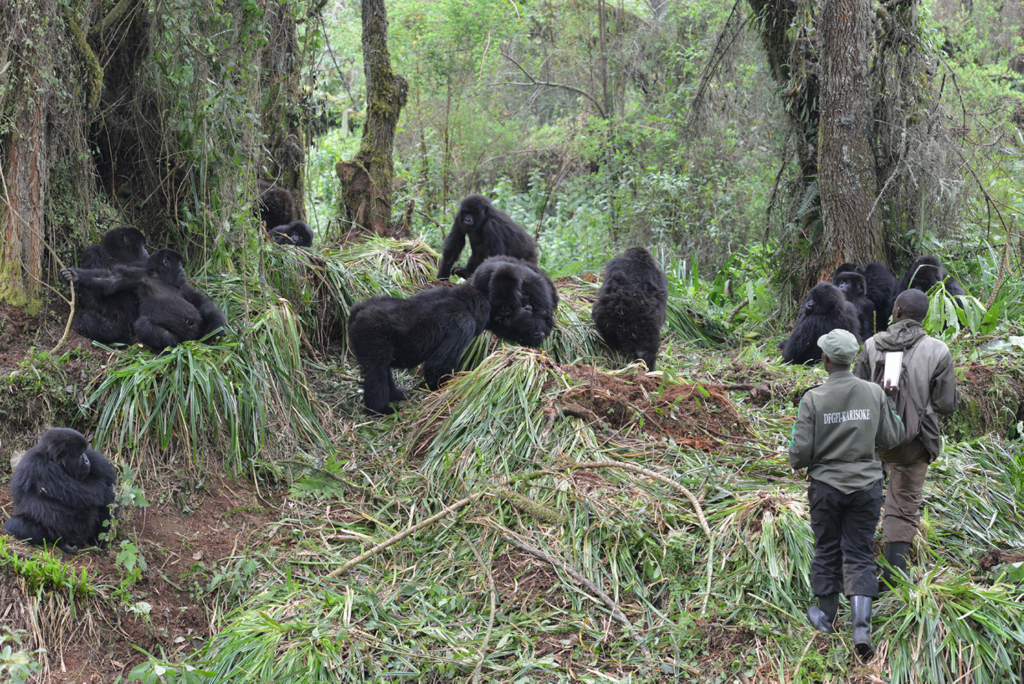
Daily ranger patrols remove snares and monitor gorilla families
-
120+ full-time rangers deployed in Bwindi and Mgahinga
-
Camera trap networks track illegal activity in real-time
-
Result: 40% reduction in snaring incidents since 2020
Reforestation Programs (Native Tree Planting)
-
200+ hectares of restored forest planted with indigenous species (yellowwood, fig trees, bamboo)
-
Community tree nurseries provide seedlings to farmers, reducing pressure on natural forest
-
Buffer zone corridors reconnect fragmented gorilla territories
-
300,000+ trees planted annually through UWA partnerships
Community Conservation: Revenue Sharing from Tourism
-
30% of park entry fees distributed to local communities for schools, clinics, and water projects
-
Employment priority for residents near parks (guides, lodge staff, rangers)
-
Sustainable agriculture training reduces need for forest-clearing
-
90% of Bwindi residents now support gorilla tourism because it benefits their families
Gorilla Monitoring & Veterinary Interventions
-
Daily health checks by vet teams on habituated families
-
Remote medical treatment for injured or sick gorillas
-
DNA sampling to track genetic diversity and lineage
-
Infant survival rate increased from 55% (2010) to 78% (2024) due to veterinary care
Rivo Safaris Uganda’s Role in Conservation
At Rivo Safaris Uganda, we go beyond tourism—we’re active conservation partners:
-
10% of all profits fund local mountain gorilla conservation Uganda projects
-
Partnerships with eco-lodges that practice sustainable waste management and reforestation
-
Guide training programs on gorilla behavior and low-impact trekking protocols
-
Community outreach funding schools and clean water initiatives near Bwindi
Our commitment ensures every traveler’s safari directly supports gorilla habitat protection.
How Responsible Tourism Can Save Mountain Gorillas
Sustainable tourism is the cornerstone of mountain gorilla conservation.
Here’s why choosing the right safari operator matters—and how Rivo Safaris Uganda leads the way:
Tourism Revenue Funds Protection & Communities
-
USD 800 gorilla permit fee: 35% goes to UWA for anti-poaching, 30% to communities, 35% to park management
-
One gorilla trekking safari supports 3–5 rangers’ salaries for a month
-
Tourism employs 15,000+ people in Uganda’s gorilla regions, reducing reliance on poaching
Why Choosing Eco-Certified Operators Matters
Not all safari companies prioritize conservation. Eco-certified operators like Rivo Safaris Uganda follow strict guidelines:
Rivo Safaris’ Sustainable Practices
We’ve built our entire business model around eco-friendly safari principles:
-
Small group sizes: Never exceed 4 guests per trek to minimize gorilla disturbance
-
Certified eco-lodges: Partner only with lodges holding EarthCheck or Green Key certification
-
Educating travelers: Pre-trip briefings on gorilla etiquette, disease prevention, and ethical photography
-
Supporting local communities: Hire 95% local staff, source food locally, fund village projects
-
Carbon offset program: Plant 10 trees for every safari booked
When you book with Rivo Safaris Uganda, you’re not just seeing gorillas—you’re protecting their habitat.
Book Your Eco-Friendly Gorilla Trekking Safari with Rivo Safaris Uganda
Ready to witness the magic of mountain gorillas while contributing to their survival? See gorillas ethically & protect their habitat with Rivo Safaris Uganda, Uganda’s leading eco-friendly safari operator.
Why Book Your Gorilla Trekking Safari with Us?
-
✅ Permits included (USD 800 per person)—no hidden fees
-
✅ Expert local guides with 10+ years tracking gorillas in Bwindi
-
✅ Conservation-focused itineraries that include community visits and reforestation tours
-
✅ 5-star eco-lodges in Bwindi with stunning forest views and sustainable practices
-
✅ Small group sizes (max 4 guests) for intimate, low-impact encounters
-
✅ 10% of profits fund mountain gorilla conservation Uganda projects
Limited permits are available—only 192 gorilla trekking slots per day in Bwindi! Don’t miss your chance to see these endangered mountain gorillas before it’s too late.
👉 Book Gorilla Trekking Safari.
FAQs About Mountain Gorilla Habitat Destruction
Q: How many mountain gorillas are left?
A: Approximately 1,063 mountain gorillas remain globally, with ~560 in Uganda’s Bwindi and Mgahinga, ~600 in Rwanda’s Volcanoes National Park, and the rest in DRC’s Virunga National Park.
Q: Can I still visit gorillas safely?
A: Yes! Rivo Safaris Uganda follows strict UWA guidelines to protect gorillas: 7-meter distance, 1-hour visit limit, no visit if you’re ill, and mandatory mask-wearing during respiratory virus outbreaks.
Q: How does my safari help conservation?
A: 30% of park fees fund anti-poaching patrols & reforestation, and Rivo Safaris Uganda donates 10% of profits to local mountain gorilla conservation Uganda projects. Your safari directly saves habitat.
Conclusion
Take action today: Book your eco-friendly gorilla trekking safari with Rivo Safaris Uganda and become part of the solution to mountain gorilla habitat destruction. Together, we can protect Uganda’s gentle giants for generations to come.