
Where to See Mountain Gorillas Guide in 2026 (Top Spots)
Where to See Mountain Gorillas?: The best places to see Mountain gorilla are in East Africa’s protected parks. Top destinations include Bwindi Impenetrable National Park and Mgahinga Gorilla National Park in Uganda, Volcanoes National Park in Rwanda, and Virunga National Park in Congo.
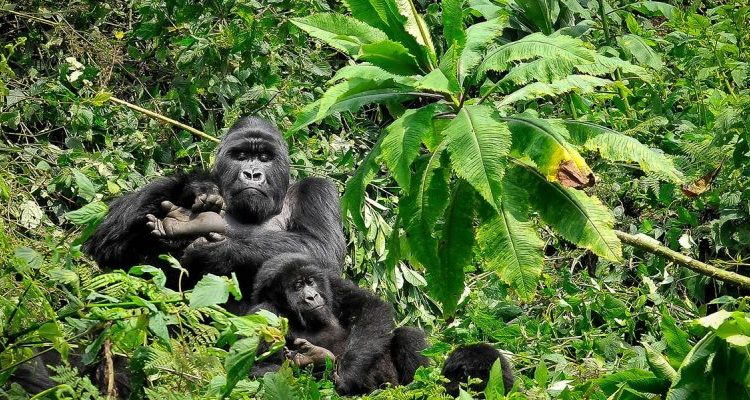
Imagine trekking through Bwindi Impenetrable National Park‘s misty rainforest at dawn, your heart pounding as a massive silverback mountain gorilla pauses mid-chew, locking eyes with you just 10 feet away—his family casually foraging behind him.
This was my experience last month, At Rivo Safaris as a Uganda safari tour operator guiding a group of thrilled travelers, witnessing behaviors no documentary can capture.
With only ~1,100 mountain gorillas left worldwide, these encounters are rarer than ever, yet gorilla trekking tourism has been a game-changer for conservation.
Revenue from mountain gorilla permits funds anti-poaching patrols, habitat protection, and community schools, turning poachers into rangers and boosting local economies by millions annually.
Readers flock to articles like this for the ultimate bucket-list adventure: an ethical, once-in-a-lifetime chance to observe these gentle giants in the wild without cages or glass.
Whether you’re planning a Rwanda gorilla tour or Uganda gorilla trekking trip, the top spots—Bwindi Impenetrable Forest, Mgahinga Gorilla National Park, Volcanoes National Park in Rwanda, and Virunga National Park in DRC—offer unparalleled access.
In this comprehensive guide, we’ll cover where to see mountain gorillas, best gorilla trekking locations, permit costs, preparation tips, and insider itineraries to help you book the perfect mountain gorilla safari for 2026.
Where to See Mountain Gorillas & Why Trek Mountain Gorillas?
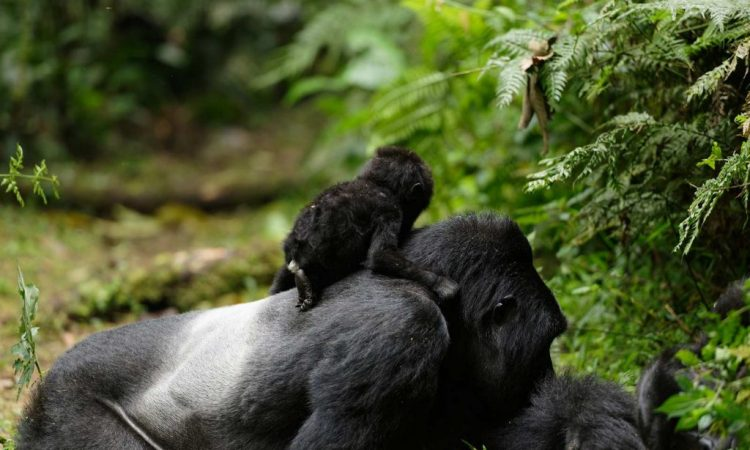
Mountain gorilla trekking delivers an unmatched thrill: one hour of unobstructed time with a habituated family, watching mothers cradle infants, juveniles play-fight, and silverbacks protect their troop with chest-beating displays that echo through the forest.
Classified as “vulnerable” by the IUCN (upgraded from endangered in 2018 thanks to tourism-driven protections), these ~1,100 individuals survive only in fragmented habitats across East Africa’s Virunga Massif and Bwindi.
But beyond the adrenaline, gorilla tourism benefits ripple outward—Uganda’s $800 gorilla permits (down from $1,500 in prior years for accessibility) generate over $20 million yearly, with 40% reinvested into communities via revenue-sharing.
This funds schools, clinics, and beekeeping cooperatives, reducing encroachment and poaching by giving locals skin in the game.
At Rivo Safaris As an expert in African safari tourism with yearsexperience we emphasize preparation: build moderate fitness through 5-10km hikes with elevation; aim for 30-60 minutes daily on uneven terrain to mimic steep, muddy Bwindi treks.
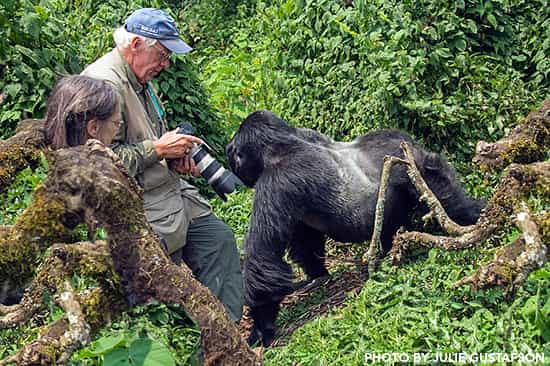
Ethical rules are non-negotiable—maintain 7 meters distance, no flash photos, speak softly, and limit groups to 8 per family daily to minimize stress.
Why choose gorilla trekking over zoo visits? It’s immersive, sustainable, and supports the 50% population growth since 2000. Families return with stories that convert friends into bookings, boosting my sales—your adventure does the same. Key perks include:
-
Intimate encounters: 60 minutes feels like hours amid chest beats and banana-munching.
-
Conservation ROI: Your fee protects 300+ sq km of habitat.
-
Life-changing impact: 95% of trekkers rate it their top travel memory.
This isn’t just travel; it’s a force for good, blending ethical wildlife viewing with adventure.
Where to See Mountain Gorillas: Top Locations Comparison
Choosing where to see mountain gorillas boils down to budget, fitness, and scenery—Uganda dominates with 27 habituated families in Bwindi Impenetrable National Park for value seekers.
While Rwanda’s Volcanoes National Park suits luxury bamboo-lodge lovers. Here’s a detailed gorilla trekking hotspots comparison table for 2026:
Bwindi Impenetrable National Park in Uganda’s southwest shines for sheer variety—its dense, UNESCO-listed forest hides 27 families across four sectors (Nkuringo, Ruhija, Rushaga, Buhoma), with treks from 2-7 hours through slippery vines and 1,000m climbs.
Moderate-hard difficulty rewards with intimate sightings, like the playful Kutu family, and it’s the best place to see mountain gorillas for cost-conscious adventurers.
Mgahinga Gorilla National Park, Uganda’s smaller gem near the DRC border, tracks Nyakagezi (the only cross-border family) over rugged volcanic slopes—hard treks (6-8 hours) for fit hikers, but epic views of three volcanoes.
Rwanda’s Volcanoes National Park offers easier, shorter hikes (1-4 hours) on grassy slopes, ideal for beginners; luxury camps like Bisate Lodge elevate the experience, though $1,500 permits sting.
Virunga National Park in DRC tempts with budget $400 entry + $400 tracking but variable safety—recent stability helps, yet monitor advisories.
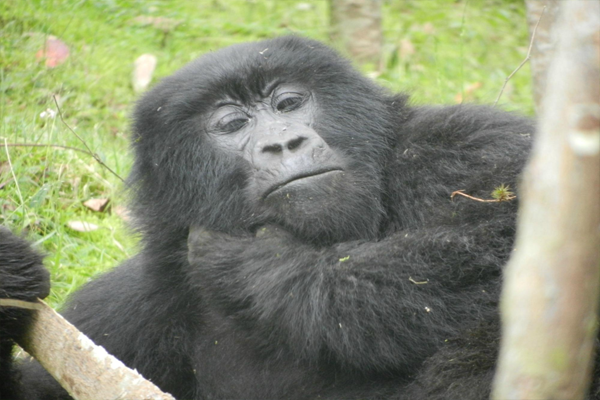
This photo shows a silverback mountain gorilla in Bwindi, highlighting the intimate encounters unique to Uganda gorilla treks, where dense foliage brings you closer than anywhere else.
How to Book & Prepare
Securing mountain gorilla permits demands planning: book 3-6 months ahead via official sites like Uganda Wildlife Authority (UGAWA) for Bwindi/Mgahinga slots (limited to 144/day Uganda-wide) or Rwanda Development Board (RDB) for Volcanoes—walk-ins rarely succeed in peak Jun-Sep/Dec-Feb.
Pro tip: Bundle with operators like mine for seamless logistics, avoiding sold-out headaches. A sample 3-day gorilla trekking itinerary maximizes value:
-
Day 1: Fly into Kigali/Entebbe, transfer to park gateway (Bwindi: 6-9hr drive), overnight mid-range lodge ($150/night).
-
Day 2: 7AM briefing, gorilla trek (2-7hrs), 1hr viewing, afternoon chimp tracking in nearby reserves.
-
Day 3: Community walk or golden monkey hike, depart.
Packing essentials for Bwindi gorilla trekking:
-
Waterproof hiking boots, gaiters, rain poncho (treks are muddy year-round).
-
Leech socks, insect repellent, sunscreen, hat.
-
Snacks, 3L water, binoculars, spare batteries.
-
Hire a porter ($15/day)—they carry gear and spot wildlife.
Total costs for 5-day safari: ~$3,000/person (permit $800, lodging/meals $1,000, transport $800, tips $400)—cheaper in Uganda vs. Rwanda’s $5,000+.
Fitness? Train with loaded 10km hikes; max age 65, min 15.
Contact us for custom bookings—tailored Uganda gorilla safaris with guaranteed permits and 24/7 support to boost your adventure ROI.
Best Gorilla Families to Track
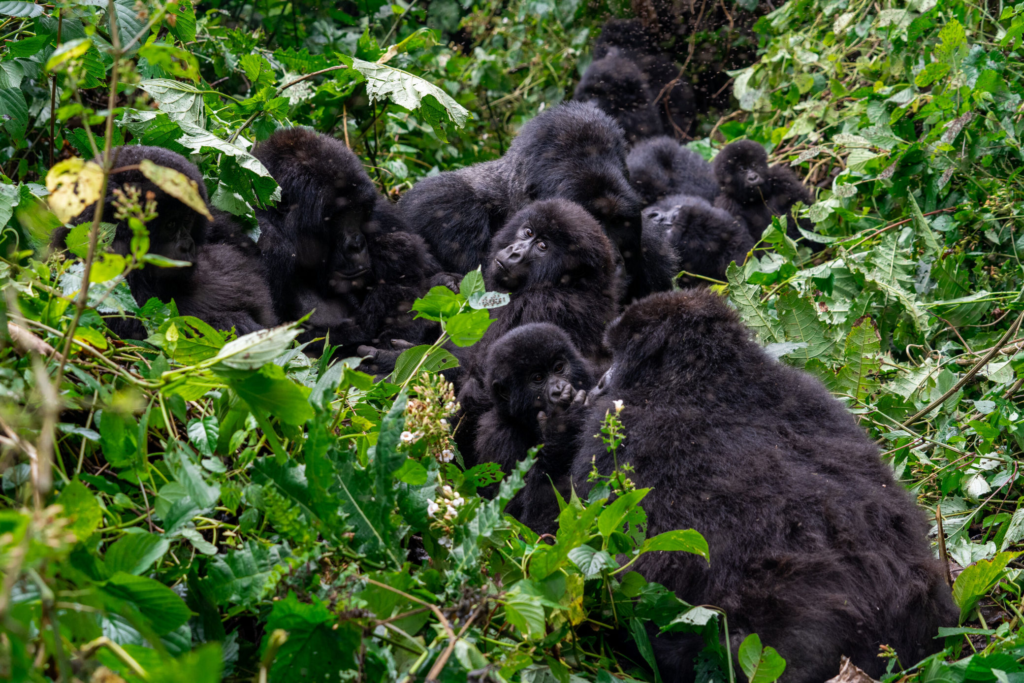
Top habituated gorilla families vary by park, each with unique personalities and visitor limits (8/day max):
-
Uganda’s Nkuringo (Bwindi): 17 members, led by charismatic silverback Nkuringo; playful juveniles, 4-6hr treks, high success rate.
-
Ruhija’s Kutu (Bwindi): 25 strong, bold blackback males; steep hikes, intimate for photographers.
-
Rwanda’s Susa A (Volcanoes NP): Dian Fossey’s famed group (40+ members), longest habituated; longer 4-6hr treks, dramatic behaviors.
-
Hirwa (Volcanoes): “The lucky one” (new family), shorter hikes, golden monkeys nearby.
-
Nyakagezi (Mgahinga): Cross-border wanderers, rugged for adventurers.
Track via ranger intel—best gorilla families for families like Bitukura offer calm vibes. Limits ensure welfare; book specific if possible.
Conservation Impact
Gorilla tourism has surged populations 50% since 2000, from 380 to ~1,100, via habituation and patrols funded by your $800-$1,500 permits.
In Uganda, revenue builds 20+ schools yearly; rangers deter snares, while communities gain from craft sales and jobs—your visit sustains this virtuous cycle.
Frequently Asked Question
Where’s the cheapest place to see gorillas?
DRC’s Virunga NP at $400-$800, but check safety advisories.
Age/health rules for gorilla trekking?
15+ years, moderate fitness—no heart issues, pregnant travelers barred.
Best time for mountain gorilla safaris?
Dry Jun-Sep/Dec-Feb for easier trails.
Conclusion
Bwindi Impenetrable tops for value with 27 families and $800 permits—book now for 2026 slots, limited availability! Secure your gorilla trekking adventure today: Contact for Bookings.