
Gorilla Habitat Loss: Causes, Impact & Conservation Solutions Ultimate Guide 2026
Gorilla habitat loss represents one of the most pressing crises facing these majestic primates today, threatening their very survival in the wild.
Gorillas are losing their homes faster than ever, with vast swathes of Central and East African rainforests vanishing at an alarming rate due to human activities and environmental pressures.
This deforestation in Africa not only endangers mountain gorillas, Cross River gorillas, eastern lowland gorillas, and western lowland gorillas, but also disrupts entire ecosystems that billions of species depend on.
At Rivo Safaris as an expert in African wildlife tourism, I’ve witnessed firsthand how gorilla habitat loss drives endangered gorillas closer to the brink, yet conservation offers hope through protected areas and eco-tourism.
In this comprehensive guide, we’ll explore the definition of gorilla habitat loss, its root causes like logging and mining, devastating impacts on populations, and proven solutions including national parks and sustainable safaris.
Understanding these dynamics is crucial not just for gorilla conservation, but for anyone planning a life-changing gorilla trekking adventure in Uganda, Rwanda, or the DRC—where your visit directly combats habitat fragmentation and boosts local economies.
What Is Gorilla Habitat Loss?
Gorilla habitat loss refers to the widespread destruction, degradation, and fragmentation of the dense forest environments that these primates call home, rendering vast areas uninhabitable and isolating surviving populations.
This phenomenon goes beyond simple tree removal; it involves a cascade of changes that alter soil quality, water cycles, and biodiversity, making recovery incredibly challenging.
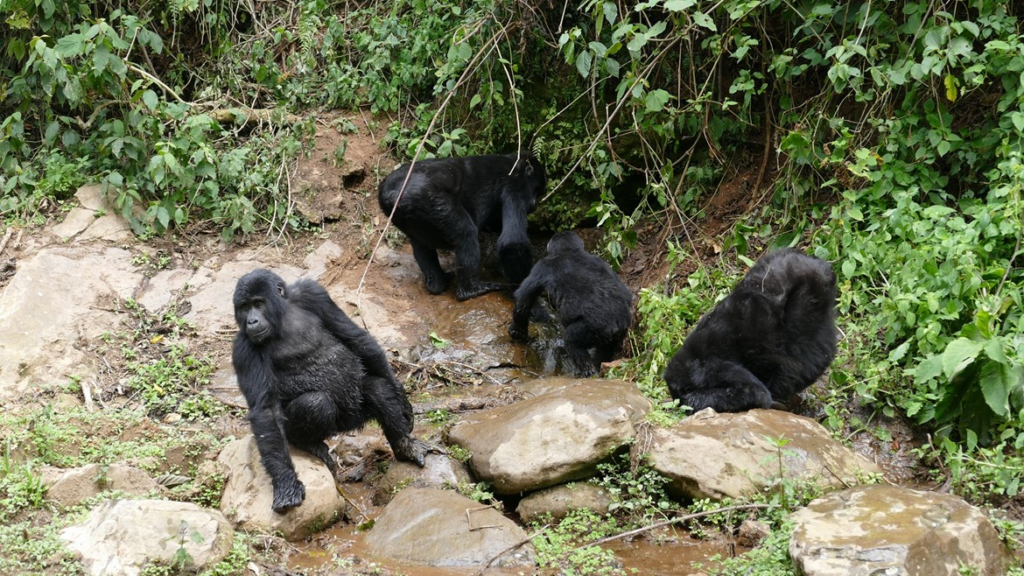
Habitat fragmentation, a key aspect of this loss, occurs when continuous forests are broken into isolated patches by roads, farms, or settlements, preventing gorillas from accessing food, mates, and safe migration routes.
Gorillas, as primarily herbivorous animals, depend entirely on dense forests for their survival, relying on specific plants like wild celery, thistles, and bamboo that thrive only in undisturbed tropical understories.
Without these tropical ecosystems, their dietary needs go unmet, leading to malnutrition and population decline.
In regions like the Virunga Massif and Bwindi Impenetrable Forest, gorilla habitat loss has shrunk available land by over 50% in the last century, forcing groups into smaller territories where inbreeding risks rise.
Conservationists estimate that fragmented habitats increase extinction risks by up to 10 times compared to intact ones, underscoring why deforestation Africa initiatives must prioritize connectivity.
By addressing gorilla habitat loss head-on, we protect not only these endangered gorillas but also the carbon sinks and water sources these forests provide globally.
Where Do Gorillas Live? (Gorilla Habitat LossOverview)
Gorillas inhabit the lush Central and East African rainforests, thriving in montane, lowland, and swamp forests across a narrow band of equatorial Africa where high rainfall and rich vegetation support their foraging lifestyle.
These tropical ecosystems span countries like Uganda, Rwanda, Democratic Republic of Congo (DRC), Cameroon, Nigeria, and smaller pockets in Gabon and Equatorial Guinea, each offering unique microhabitats tailored to gorilla subspecies needs.
For instance, mountain gorillas cling to high-altitude forests between 2,000-4,000 meters in the Virunga Volcanoes and Bwindi, while western lowland gorillas roam vast Congo Basin lowlands.
The importance of these gorilla habitats cannot be overstated: they regulate climate by storing massive carbon reserves—equivalent to billions of tons—and harbor over 1,000 plant species per hectare, many exclusive to gorilla diets.
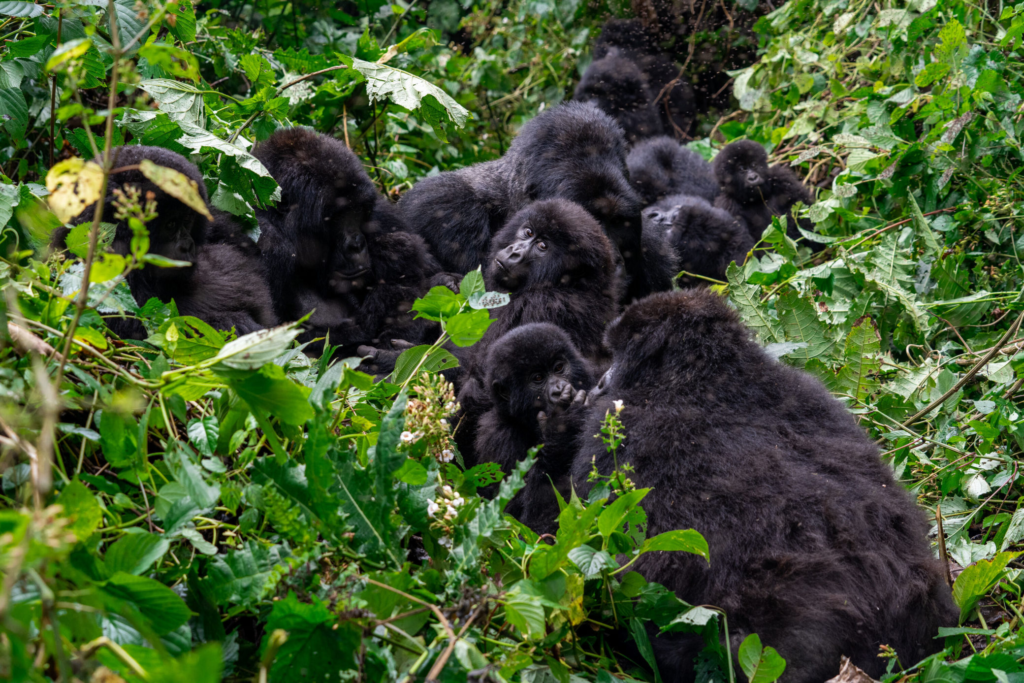
In Uganda’s Bwindi Impenetrable National Park, mist-shrouded slopes provide bamboo shoots vital for silverback nutrition, whereas DRC’s lowland forests offer fruits year-round.
Human pressure in these nations, with populations exceeding 100 million combined, intensifies competition for land, turning gorilla strongholds into frontiers for development.
Key stats highlight the stakes: Africa’s forests, home to 90% of gorillas, lose 4 million hectares annually, per recent IUCN reports. Protecting these locales through eco-tourism safaris ensures gorillas retain their dense forest refuges while generating revenue for communities.
Main Causes of Gorilla Habitat Loss
Gorilla habitat loss stems from a toxic mix of human-driven exploitation and natural pressures, with deforestation as the primary culprit claiming millions of acres yearly in gorilla ranges.
Logging—both legal for timber export and illegal for black-market trade—strips away canopy cover, exposing soil to erosion and eliminating gorilla food sources; Africa supplies 20% of global hardwoods, fueling this destruction in Cameroon and DRC.
The timber trade exacerbates this, as high-value species like mahogany are selectively felled, creating gaps that fragment habitats and allow invasive weeds to invade.
Agricultural expansion ranks second, with subsistence farming by rural families clearing forests for crops like cassava and beans, while palm oil plantations and commercial farming devour thousands of hectares in cross-border regions.
In Rwanda and Uganda, slash-and-burn practices have reduced forest cover by 30% since 1990, pushing gorillas into crop-raiding conflicts.
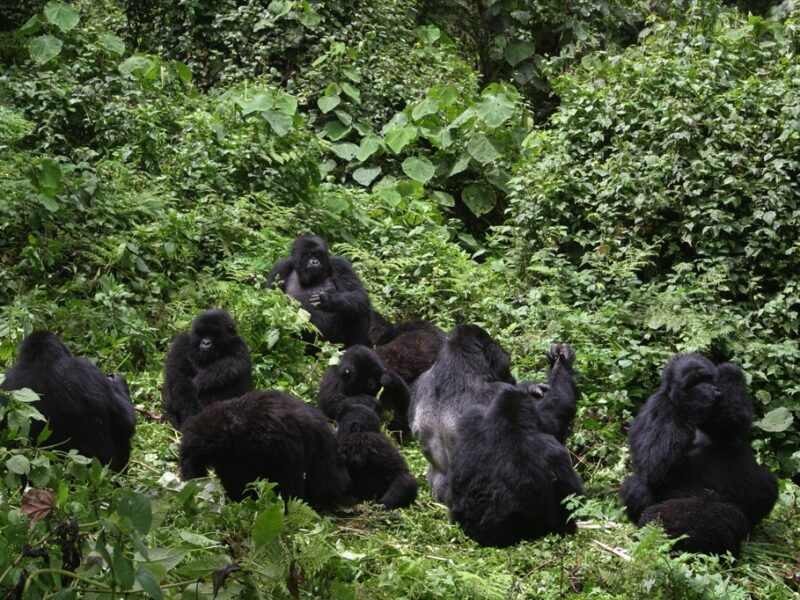
Mining activities, particularly coltan and gold mining in eastern DRC’s Virungas, poison rivers with mercury and bulldoze vegetation; illegal operations doubled post-2020, displacing entire gorilla troops.
Infrastructure development, including roads and urban settlements, carves through forests, enabling further encroachment—China-funded highways in Congo Basin alone span 10,000 km.
Finally, climate change alters vegetation patterns, with droughts reducing bamboo growth by 40% in mountain zones and shifting fruit availability, forcing gorillas into riskier human zones.
These interconnected causes compound: logging roads facilitate mining, farming follows, and warming amplifies all. Halting this requires global action, but locally, gorilla trekking fees from parks fund patrols to curb illegal acts.
Impact of Habitat Loss on Gorillas
The ripple effects of gorilla habitat loss are catastrophic, slashing food availability as preferred plants like wild ginger vanish, leading to starvation and weakened immune systems in troops already stressed by low genetic diversity.
Fragmented populations trap groups in “islands” of forest, often under 50 individuals, spiking inbreeding depression—rates as high as 25% in isolated Cross River bands—resulting in birth defects and infertility.
Increased human-wildlife conflict surges as gorillas raid farms for fallback foods, prompting retaliatory killings; in Uganda, over 20 gorillas die yearly from such clashes.
This isolation elevates extinction risk, with models predicting 50% population drops by 2030 without intervention, per WWF data. Smaller ranges also heighten disease transmission from humans, while reduced mates limit reproduction—female gorillas need vast territories to find silverbacks.
Ecologically, gorilla absence disrupts seed dispersal for 100+ tree species, collapsing forest regeneration.
Endangered gorillas embody this crisis: their decline signals broader biodiversity collapse, underscoring why conservation solutions like habitat corridors are urgent.
Most Affected Gorilla Species
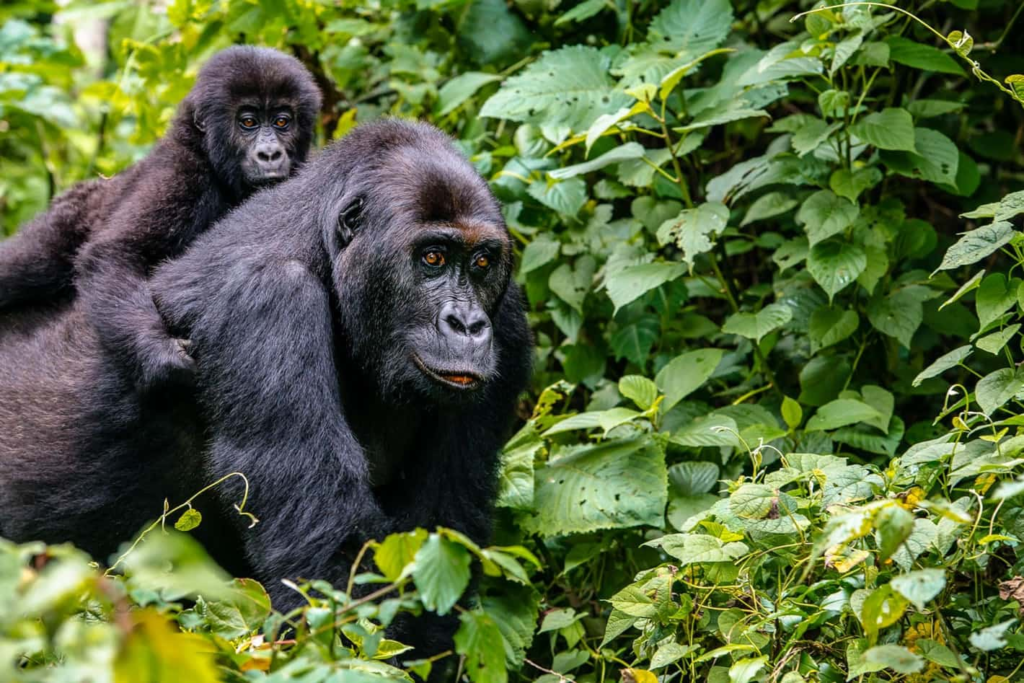
Mountain gorillas, numbering around 1,060, face acute habitat loss confined to just 780 km² across Bwindi, Virunga, and Volcanoes parks, where agriculture nibbles edges relentlessly.
Their highland dense forests are shrinking 2% yearly, isolating troops and curbing 3-4% growth rates.
Cross River gorillas, critically endangered at under 300, endure extremely fragmented habitats in Nigeria-Cameroon border hills, with logging splitting ranges into 11 subpopulations vulnerable to local extinction.
Eastern lowland gorillas in DRC’s mining regions suffer massive losses from coltan pits, populations halved to 5,000 since 1990s wars.
Western lowland gorillas, once abundant at 100,000+, lost 60% to logging and Ebola in Congo Basin, now fragmented by palm oil sprawl. Each species highlights tailored threats, but unified gorilla conservation via parks unites efforts.
Conservation Efforts to Stop Habitat Loss
Robust conservation efforts shield gorillas through national parks protection, where ranger patrols and satellite monitoring have stabilized 20% of habitats since 2010.
The World Wide Fund for Nature (WWF) leads with anti-poaching tech and reforestation, planting 50 million trees in Virungas.
Anti-deforestation policies like Rwanda’s zero-loss laws and DRC moratoriums enforce compliance, while community conservation programs empower 100,000 locals via beekeeping alternatives to farming.
Eco-tourism success generates $50 million annually, funding 80% of park operations—trekking in Uganda alone protects 300 km².
Role of National Parks in Protecting Gorillas
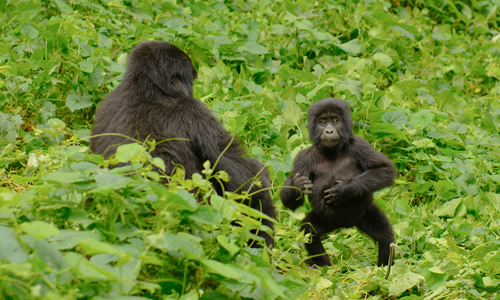
Bwindi Impenetrable National Park in Uganda safeguards half of mountain gorillas across 331 km², using revenue for anti-snaring and education.
Virunga National Park (DRC) patrols 7,900 km² against miners, while Volcanoes National Park (Rwanda) limits visitors to preserve habitat preservation. These enable controlled tourism, ranger protection, and growth.
Can Habitat Loss Be Reversed?
Yes, through reforestation efforts like IGCP’s 10,000-hectare plantings and conservation partnerships with AWF, which restored 5% of Virunga fringes. Sustainable land use, including agroforestry, balances needs while reconnecting fragments.
How Tourists Help Protect Gorilla Habitats
Gorilla trekking fees—$800-$1,500 per permit—fund 90% of patrols and communities, deterring deforestation. Locals gain jobs, reducing farm pressure. Promote eco-tourism safaris for lasting impact.
Book responsible gorilla trekking experiences in East Africa today—
secure your spot for Uganda gorilla safaris or Rwanda treks and save habitats!
Interesting Facts About Gorilla Habitats
Gorillas build fresh nests daily from foliage, cycling nutrients. They depend on 100+ specific plant species, shunning disturbed zones—straying risks conflict 70% more.
Frequently Asked Questions
Why are gorillas losing their habitat?
Primarily deforestation, mining, and farming fragment forests.
How does deforestation affect gorillas?
Reduces food, isolates troops, boosts conflicts.
Which gorilla species is most endangered?
Cross River gorilla, under 300 individuals.
Can gorillas survive outside forests?
No, they require dense forests for diet and shelter.
How can we help protect gorillas?
Trek responsibly, support NGOs, advocate policies.
Conclusion
Gorilla habitat loss demands immediate action amid deforestation Africa‘s toll on endangered gorillas. From national parks to eco-tourism, solutions abound—your trek fuels them. Join gorilla conservation via safaris; book now for impact and adventure!