
Silverback Gorilla: Facts, Habitat, Behavior, Strength & Safari Guide 2026
Encountering a silverback gorilla is one of the world’s most powerful wildlife experiences, and Rivo Safaris Uganda makes that experience safe, ethical, and unforgettable.
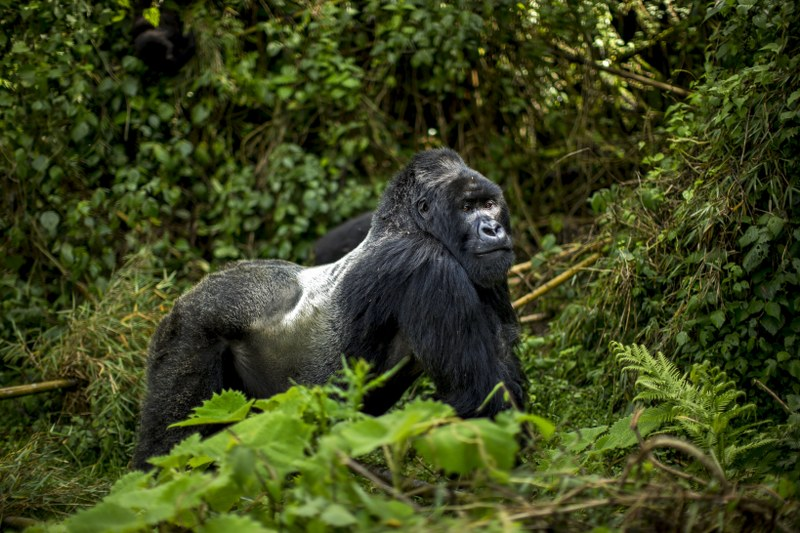
A silverback — the dominant adult male of a mountain gorilla group — commands awe with its size, intelligence, and complex social life.
In Uganda’s misty forests of Bwindi Impenetrable and Mgahinga, small, guided groups can spend an hour with habituated gorilla families, watching silverbacks lead, protect, and interact with their group.
This guide explains where to find silverbacks, what to expect on a trek, permit and health requirements, and how Rivo Safaris Uganda crafts responsible packages that support conservation and local communities.
Why the Silverback Gorilla Matters
The silverback is the adult male leader of a gorilla troop, easily recognised by the silver hair on his back that appears as he matures; he is the protector, decision-maker, and social anchor of the group.
Observing a silverback offers an unparalleled window into primate intelligence, sophisticated social bonds, and family dynamics — moments that photos rarely capture fully.
Because silverbacks determine group movement, feeding areas, and group safety, they play a central role in the daily lives of mountain gorillas and in the story of conservation for the species.
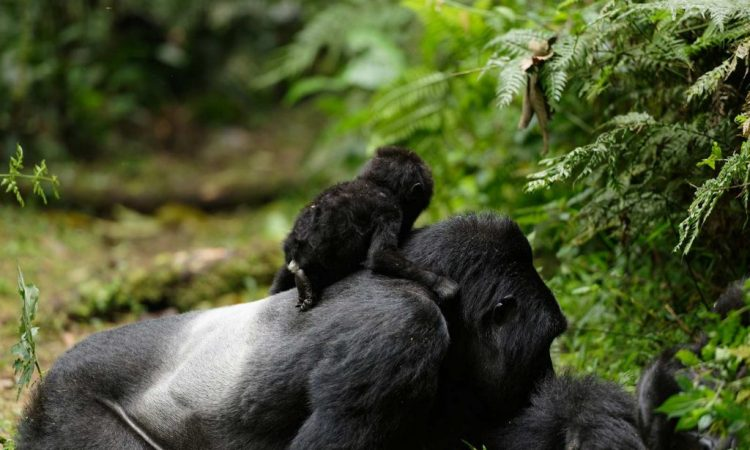
For travelers, witnessing a silverback’s calm authority, gentle interactions with infants, and occasional displays of dominance creates lasting emotional and educational memories.
Rivo Safaris Uganda emphasizes ethical viewing practices—quiet observation, strict distance rules, and small-group treks—to minimize stress on gorillas while maximizing visitor experience and conservation impact.
Where to See Silverback Gorilla in Uganda (Bwindi & Mgahinga)
Uganda is home to a significant portion of the world’s mountain gorillas, with the highest densities in Bwindi Impenetrable National Park and Mgahinga Gorilla National Park.
Bwindi is divided into sectors — Buhoma, Ruhija, Rushaga, and Nkuringo — each with habituated gorilla families and different trek profiles (shorter or longer hikes, swampy vs. steep terrain).
Mgahinga is smaller but offers intimate, less-crowded experiences and is often combined with Golden Monkey tracking for variety.
Rivo Safaris Uganda selects the best sector for each group based on current ranger reports, permit availability, and guest fitness levels to increase chances of silverback sightings.
Best-practice tip: plan for the drier months for easier trails, but expect lush, sometimes muddy conditions year-round — this is part of the authentic rainforest experience that brings you close to silverbacks.
What to Expect on a Silverback Gorilla Trek (permits, difficulty, duration)
-
Meeting and briefing: Treks usually begin early with a ranger briefing covering rules, safety, and what to expect.
-
Trek length: Expect 2–6 hours of hiking depending on gorilla movement and trail conditions; once gorillas are located you receive one hour of close observation.
-
Permits: Gorilla permits are required and limited—book well in advance; Rivo Safaris Uganda will handle permit acquisition, park fees, and logistics for you.
-
Health & safety: Visitors must follow health guidelines (recent vaccinations may be required) and maintain recommended viewing distances to protect gorillas from human-borne illness; sick visitors may be denied access to prevent disease transmission.
-
Physical demands: Trails can be steep, muddy, and slippery; sturdy hiking boots, gaiters, gloves, and walking poles are recommended. Porter services are available for those who need assistance.
-
On-trail etiquette: Remain calm, follow ranger instructions, avoid sudden movements, and never attempt to touch or feed gorillas.
Rivo Safaris provides a pre-trek briefing, local guides, and porters to ensure safety, comfort, and respectful interaction with silverbacks.
Responsible Tourism & Conservation (how Rivo Safaris supports local protection)
-
Revenue for conservation: Permit fees and tourism revenue fund park management, anti-poaching patrols, and community development projects such as schools and clinics.
-
Community partnerships: Rivo Safaris Uganda partners with local communities and UWA rangers so tourism delivers real local benefits and sustainable livelihoods.
-
Strict visitor rules: Our treks enforce quiet behavior, no flash photography, no feeding, and strict distance rules to protect gorilla health and natural behavior.
-
Education and advocacy: Guides educate guests about gorilla ecology, threats like habitat loss and disease, and how visitors can be advocates for long-term protection.
-
Ethical commitments: Booking with Rivo Safaris means your visit contributes to conservation and community welfare; we prioritize low-impact tours, small groups, and transparent revenue sharing so tourism helps protect silverbacks for future generations.
How Rivo Safaris Uganda Makes It Easy (packages, guide expertise, logistics)
Rivo Safaris Uganda delivers tailored gorilla trekking experiences with expert local guides, comfortable accommodation options, and full logistics support so you can focus on the encounter rather than the details.
We offer flexible itineraries — from single-day treks to multi-day safaris that combine gorilla trekking with chimp tracking, game drives, and cultural visits — with options for luxury lodges, mid-range stays, or budget camping.
Our guides know gorilla family ranges, trail conditions, and how to create camera-friendly but non-intrusive viewing opportunities; they work closely with park rangers to position your group with the best chance of locating a silverback while following park rules.
Practical services include permit booking and management, airport transfers from Entebbe or Kigali, porter arrangements, pre-trek briefings, and equipment rentals (walking poles, gaiters, rain gear).
Transparent pricing, small group sizes, and tailored add-ons (private transfers or exclusive guides) allow travelers to choose comfort levels and budgets that match their needs.
Frequently Asked Question
How long do you spend with a silverback?
Visitors are allowed one hour of close observation with a habituated gorilla family.
Do I need a permit?
Yes — gorilla permits are required and limited; Rivo Safaris can secure permits and advise on availability.
Is gorilla trekking difficult?
Difficulty varies — plan for 2–6 hours of hiking; porters are available to help on steep sections.
What should I bring?
Sturdy boots, rain jacket, gloves, insect repellent, water, and a camera (no flash).
Are silverbacks dangerous?
Silverbacks may display threats if stressed; follow ranger instructions and remain calm to avoid escalation.
How responsible is this tourism?
Permit fees fund conservation and community projects; Rivo Safaris follows strict ethical guidelines to protect gorillas and support locals.
Key takeaways (bulleted highlights for scanners)
-
Book permits early — availability is limited and seasons fill fast.
-
Prepare physically — expect steep, muddy trails; porters can help.
-
Follow rules — distance, no feeding, and health precautions protect gorillas.
-
Choose responsible operators — Rivo Safaris ensures tourism benefits conservation and communities.
-
Pack essentials — boots, rain gear, gloves, water, and a camera without flash.
Call to action
Ready to see a silverback? Book with Rivo Safaris Uganda today for expert guides, ethical treks, and tailored packages that protect gorillas and support communities.
Contact us for current permit availability, custom itineraries, and early-bird discounts — secure your spot and make a real difference for conservation while enjoying a once-in-a-lifetime wildlife encounter.