
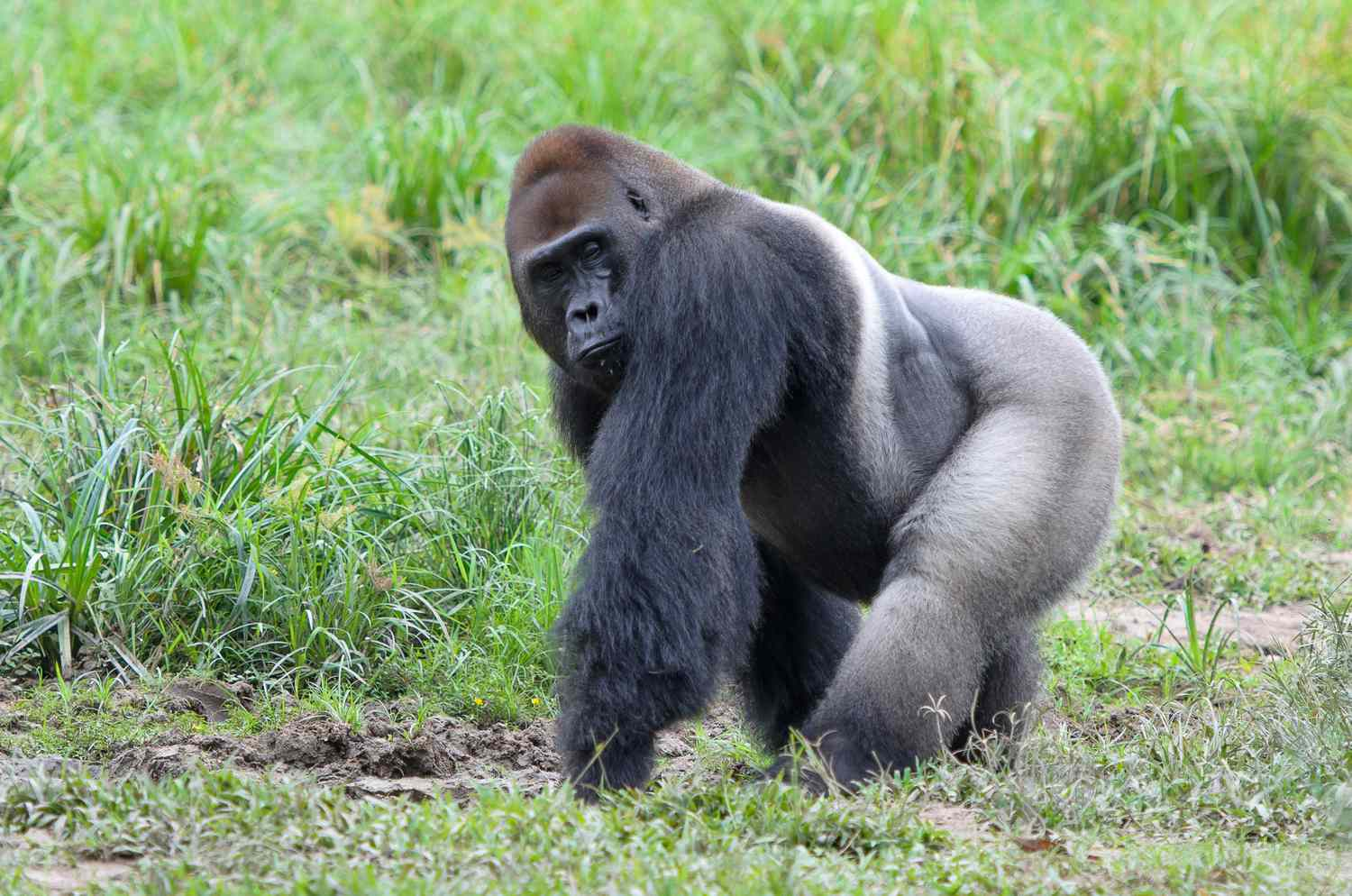
Western Lowland Gorilla: Facts, Habitat, Diet, and Conservation 2026 Guide
The western lowland gorilla is one of Africa’s most fascinating primates and the most numerous gorilla subspecies, yet it remains endangered.
If you are searching for reliable western lowland gorilla facts, this guide from Rivo Safaris Uganda will help you understand its habitat, behavior, diet, conservation status, and travel significance in Central Africa.
Travellers, wildlife lovers, and conservation-minded readers often look for detailed gorilla information, and this article is designed to answer those questions.
Whether you want to learn about western lowland gorilla habitat, diet, or conservation, this complete guide gives you the essential facts in one place.
What Is a Western Lowland Gorilla?
The western lowland gorilla has the scientific name ‘Gorilla gorilla gorilla’ and is one of the four recognised gorilla subspecies.
It is smaller and generally lighter than the mountain gorilla, with a broader skull, shorter hair, and a more adaptable lifestyle in lowland tropical forests.
Compared to the eastern lowland gorilla, it tends to live in denser forest areas and feeds on a wide variety of forest foods.
Western lowland gorillas are highly intelligent, social, and peaceful animals that live in family groups led by a dominant silverback.
They are known for their gentle nature, strong family bonds, and ability to communicate through facial expressions, chest beats, vocalizations, and body language.
Because of their fascinating behavior, they are among the most searched African wildlife species online.
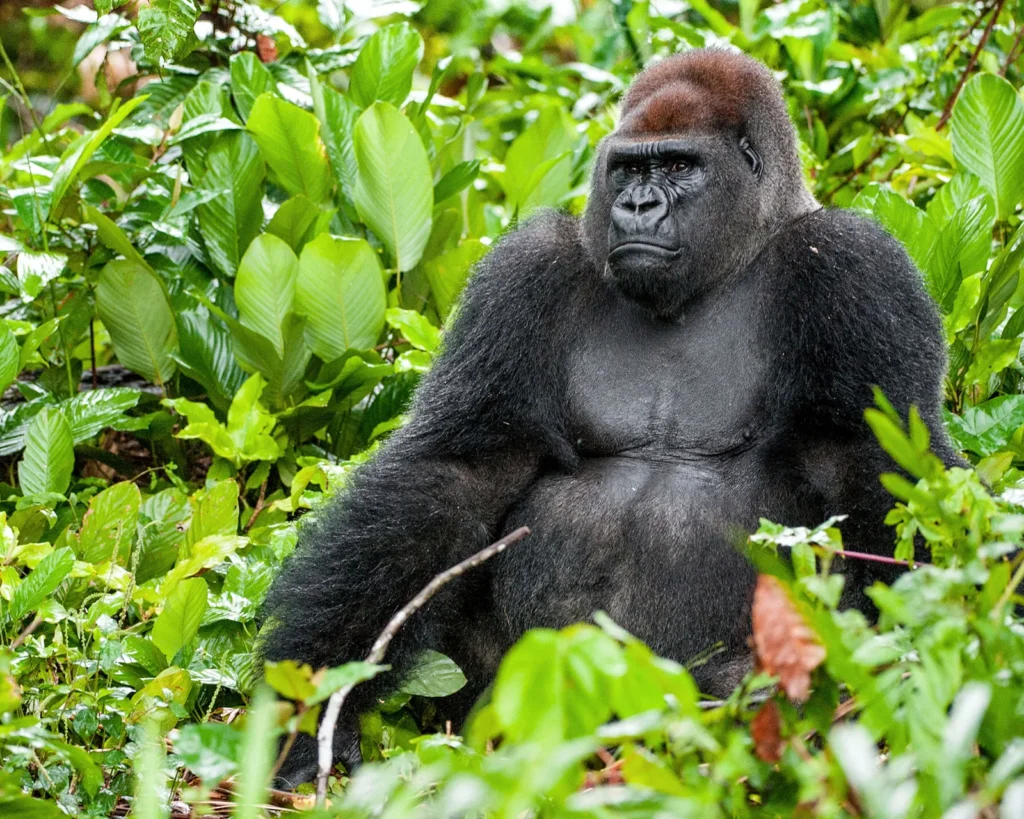
Western Lowland Gorilla Habitat and Distribution
The western lowland gorilla habitat is found mainly in the Congo Basin, one of the richest forest ecosystems in Africa.
Their range includes Cameroon, the Central African Republic, the Republic of the Congo, Gabon, Equatorial Guinea, and parts of the Democratic Republic of the Congo.
These gorillas live in lowland rainforests, swamp forests, dense secondary vegetation, and areas with thick undergrowth that provide food and shelter.
Their habitat is extremely important because it supports biodiversity, stores carbon, and protects many other forest species.
From a conservation and travel perspective, understanding this habitat helps visitors appreciate why responsible tourism and forest protection matter.
The more these forests are preserved, the better the chances of survival for the western lowland gorilla and other endangered wildlife in Central Africa.
Physical Characteristics of a Western Lowland Gorilla
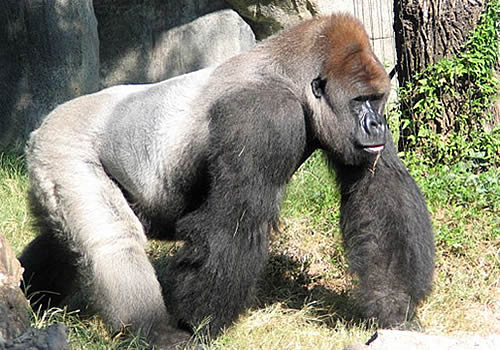
The western lowland gorilla is powerful, muscular, and built for life in forest environments.
Adult males, especially silverbacks, are much larger than females and younger males, with broad chests, strong arms, and a silver-gray patch of hair across the back that gives them their name.
Females are smaller and lighter, but they are still strong and agile. Their fur is usually dark brown or black, and some individuals may have a slightly reddish or grayish tone.
Their hands and feet are adapted for movement on the ground and in trees, while their facial structure shows intelligence and emotional expression.
Western lowland gorillas are among the largest primates on Earth, and their size, strength, and calm behavior make them especially impressive to observe in the wild.
Western Lowland Gorilla Diet and Feeding Behavior
The western lowland gorilla’s diet is mostly made up of plant matter, which helps them survive across different seasons in the forest.
They feed on fruits, leaves, shoots, bark, herbs, roots, stems, and other available vegetation.
Fruit is especially important when it is in season, but when fruit is scarce, they adjust their diet to include more leaves, bark, and fibre-rich plants.
This flexible feeding behavior is one reason they can survive in varied forest conditions.
They spend a large part of the day foraging, moving slowly through their habitat in search of food.
Their diet also plays an important ecological role because they help disperse seeds throughout the forest.
This makes the western lowland gorilla not only a remarkable animal but also a valuable part of the rainforest ecosystem.
Western Lowland Gorilla Social Life and Behavior
Western lowland gorillas live in family groups usually led by one dominant silverback male, although some groups may have multiple adults depending on their structure.
The silverback protects the group, makes movement decisions, and keeps order among group members.
These gorillas communicate through grunts, hoots, chest beats, gestures, and facial expressions, which makes their social life both complex and fascinating.
Grooming, nesting, and feeding together are important parts of daily life, and they often build fresh nests each evening on the ground or in trees.
Despite their strength, western lowland gorillas are generally peaceful and avoid conflict whenever possible.
They may become defensive only when they feel threatened, especially if young ones are at risk.
Their calm group behavior is one of the reasons many wildlife enthusiasts are deeply drawn to gorilla conservation and safari experiences.
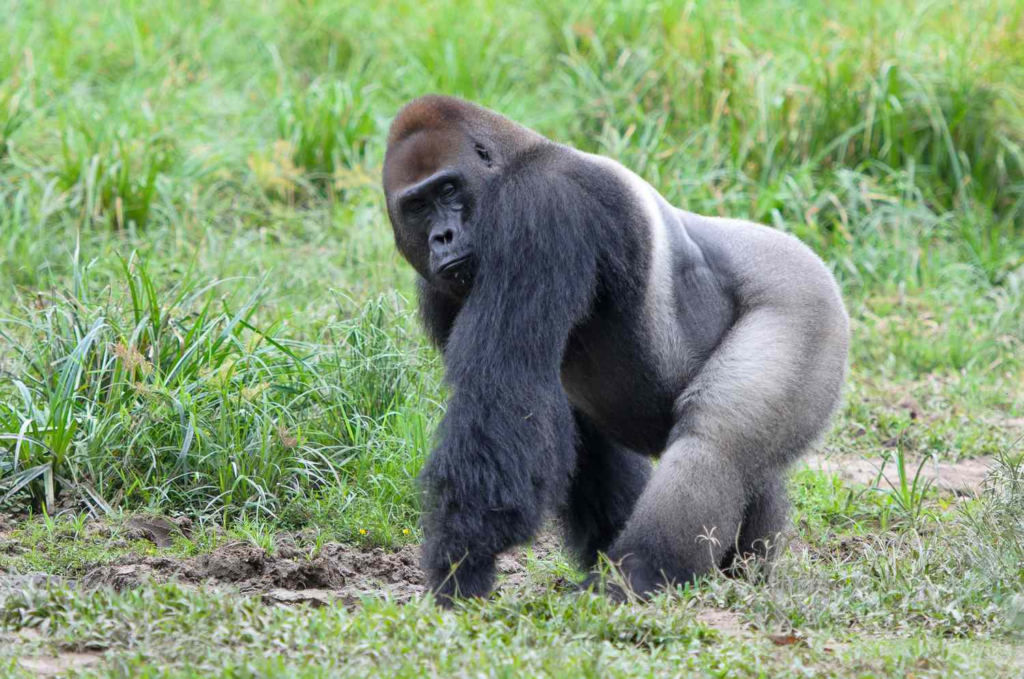
Conservation Status and Threats
The western lowland gorilla conservation story is a serious one because the species continues to face major threats across its range.
Poaching remains a concern, especially for bushmeat and the illegal wildlife trade, while habitat loss caused by logging, farming, mining, and road expansion continues to reduce forest cover.
Disease is another major problem, with outbreaks such as Ebola having caused dramatic declines in some areas.
Even though western lowland gorillas are the most numerous gorilla subspecies, their population is still under pressure and considered endangered.
Conservation organizations, protected reserves, and national parks are working to safeguard remaining populations through anti-poaching patrols, community conservation, and habitat protection.
These efforts are vital because the survival of the western lowland gorilla depends on sustained forest protection and stronger wildlife management across Central Africa.
Where to See Them and Travel Interest
If you are researching where to see western lowland gorillas, the species is found in parts of Central Africa rather than in the classic mountain gorilla trekking destinations.
Wildlife travellers can look at protected forests, reserves, and conservation areas in countries such as Gabon, Congo, and Cameroon, where gorilla-focused ecotourism and wildlife viewing opportunities exist.
While sightings can be more remote and less accessible than mountain gorilla trekking, this also makes the experience unique and adventurous for serious wildlife lovers.
For travelers planning a broader African wildlife journey, Rivo Safaris Uganda can help design itineraries that combine primate viewing, rainforest exploration, and other safari experiences.
Why They Matter to Conservation Tourism
The western lowland gorilla matters far beyond its own survival because it helps maintain the health of rainforest ecosystems.
As they feed and move through the forest, they support seed dispersal and natural regeneration, which helps keep habitats productive and diverse.
This makes them an important symbol of eco-tourism and responsible travel in Africa.
When travellers choose conservation-minded tours, they help support local communities, conservation projects, park protection, and wildlife education.
Responsible tourism also encourages governments and stakeholders to value forests as living ecosystems rather than land for short-term exploitation.
For this reason, gorilla-focused travel can contribute directly to conservation when it is managed properly, by promoting awareness and sustainable safari planning.
Rivo Safaris Uganda position itself as a trusted brand for wildlife travelers who care about both adventure and conservation.
Conclusion and Call to Action
The western lowland gorilla is an extraordinary species with powerful ecological value, fascinating social behavior, and an urgent conservation story.
From its rainforest habitat to its plant-based diet and silverback-led family life, this gorilla continues to capture the attention of wildlife lovers, researchers, and travellers around the world.
Although it is the most numerous gorilla subspecies, it still faces serious threats from habitat loss, disease, and poaching.
Protecting its future requires awareness, conservation action, and responsible tourism.
For expert-guided Africa wildlife trips and conservation-focused safari planning, contact Rivo Safaris Uganda to create a memorable and meaningful journey.