
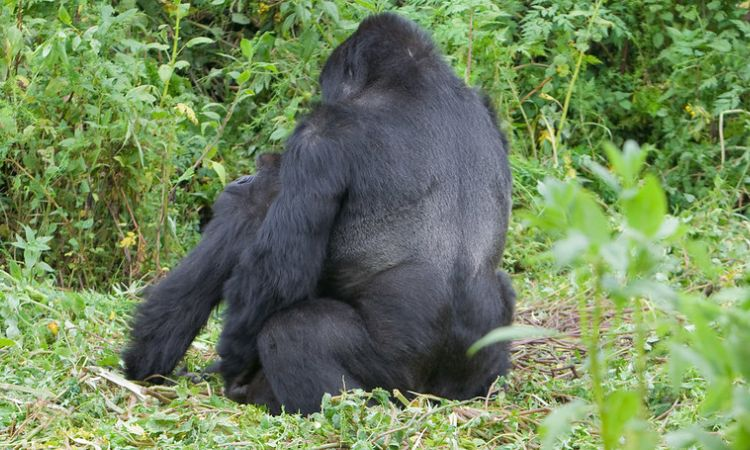
Female Mountain Gorilla Mating Strategies: The Hidden Power of the Primate Matriarch
Female Mountain Gorilla Mating Strategies: For decades, the narrative of the African jungle has been dominated by the sheer physical presence of the silverback. However, as we move through 2026, modern primatology has shattered the myth that the male makes all the decisions.
In reality, female mountain gorilla mating strategies and individual agency are the true drivers of troop dynamics and evolutionary success. While the Silverback provides the muscle, the females provide the strategic direction of the family unit.
At Rivo Safaris Uganda, we act as the bridge between this profound scientific wonder and your personal trekking experience. We believe that understanding the “why” behind primate behaviour transforms a simple hike into a deep, intellectual journey.
When you embark on a gorilla trekking Uganda expedition with us, you aren’t just looking at animals; you are witnessing a complex social drama where primate behavior is dictated by the subtle, calculated choices of the females.
The Biological Clock and Oestrus Cycles
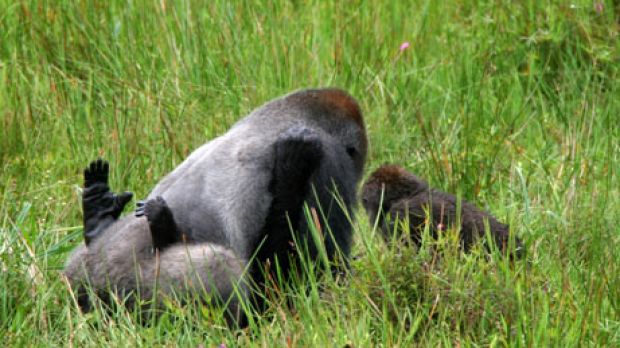
The foundation of female mountain gorilla mating begins with a biological clock that is both patient and precise. Females typically reach sexual maturity between the ages of 8 and 10 years.
Unlike many other primates, such as chimpanzees or baboons, female mountain gorillas do not exhibit obvious physical swellings to signal fertility.
This lack of “visual advertising” makes their reproductive cycle a private affair, requiring proceptive behaviors—active efforts to initiate contact—that are a subtle art for seasoned trekkers and researchers to spot.
To the untrained eye, a female may seem passive, but those on a Rivo Safaris Uganda tour are taught to look for specific visual cues. These include:
-
Intense Eye Contact: A female will stare fixedly at the Silverback, breaking the usual primate rule of avoiding direct gazes to signal her intent.
-
Lip-Smacking: A rhythmic, audible smacking of the lips used to draw the male’s attention without alerting the entire troop.
-
Physical Proximity: Deliberately moving into the Silverback’s personal space and staying there, often nudging him or grooming him more frequently than usual.
Strategy 1: Troop Transfer (The “Leaping” Strategy)
One of the most fascinating female mountain gorilla mating strategies is the decision to leave their birth troop—a move often called the “Leaping” strategy.
This isn’t a random act of wandering; it is a calculated evolutionary move designed to avoid inbreeding and secure a more stable future for their lineage. By transferring to a different group, a female ensures genetic diversity, which is critical for the survival of the species.
During this process, females perform what we call a “Silverback Audit.” They are not just looking for any mate; they are vetting a new Silverback’s ability to protect their future offspring from the threat of infanticide.
If a Silverback appears weak or the troop is frequently harassed by lone males, a female may “leap” to a stronger, more established leader.
At Rivo Safaris Uganda, our expert guides are trained to identify these “migrant females” within specific habituated families in Bwindi Impenetrable National Park, helping you understand the history and “politics” of the troop you are visiting.
Strategy 2: Mate Choice and Paternity Confusion
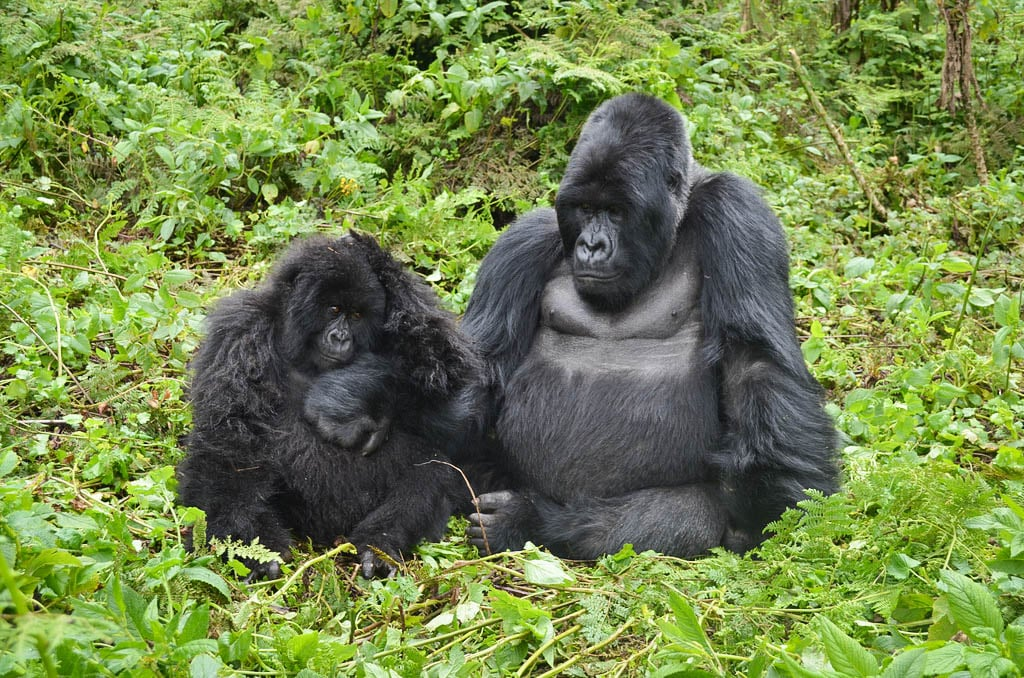
In many mountain gorilla populations, troops are not led by a single male but are “multi-male” units containing a dominant Silverback and one or more subordinate males.
In these environments, females employ a brilliant social safeguard: paternity confusion. By selectively mating with subordinate males in addition to the dominant leader, the female creates a situation where multiple males believe they could potentially be the father of her next infant.
This strategy serves a vital protective purpose:
-
Distributed Protection: If multiple males believe the infant is theirs, they are all biologically incentivized to defend it against predators or rival silverbacks.
-
Reduced Aggression: It lowers internal troop tension, as subordinate males are granted enough “mating access” to keep them loyal to the group.
-
Survival of the Species: These strategies are fundamental to the survival of the endangered mountain gorilla population, ensuring that even if the dominant Silverback falls, the infants have secondary protectors already in place.
Strategy 3: Infanticide Avoidance and Loyalty
The “dark side” of gorilla mating is the ever-present threat of infanticide. When a new male takes over a troop or a lone silverback kills a reigning leader, he may attempt to kill the unweaned infants to bring the females back into oestrus.
This brutal reality drives a female’s fiercest mating strategies. She will remain fiercely loyal to a strong Silverback who proves he can defend the nursery, but she is equally quick to move if she senses his protection is waning.
There is a powerful conservation connection here. The presence of regulated tourism and the daily monitoring provided by Rivo Safaris Uganda creates a “security canopy” around these troops.
Our presence discourages poachers and provides the revenue needed for the Uganda Wildlife Authority (UWA) to maintain a constant ranger presence, which indirectly reduces the environmental stressors that lead to troop instability and infanticide.
Your trek is a direct contribution to the “security” that allows these families to grow and thrive.
Seeing the Science in Person: The Rivo Difference
Moving from the science of the laboratory to the soil of the jungle is where the true magic happens.
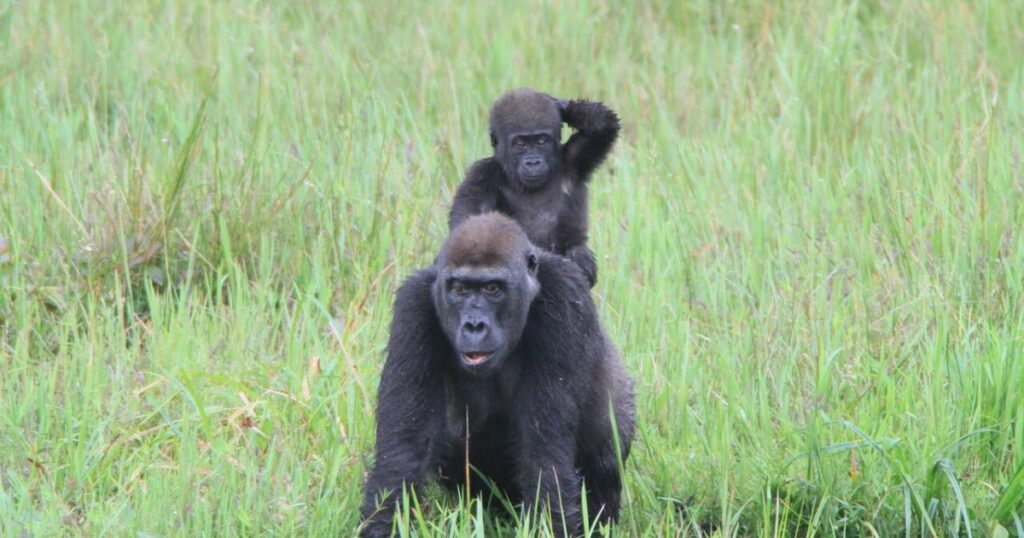
At Rivo Safaris Uganda, we don’t just lead walks; we provide “behaviour-focused safaris”. Instead of just pointing and naming, our guides provide a live commentary on the social interactions unfolding before your eyes.
Why trek with us?
-
Expert Interpretation: Our guides explain the subtle “proceptive” lip-smacking or the strategic positioning of a female in real-time.
-
Customized Itineraries: We select trekking sectors in Bwindi or Mgahinga based on current troop dynamics and recent behavioral sightings.
-
Educational Depth: You return from the forest not just with photos, but with a deep understanding of mountain gorilla reproductive behavior and social architecture.
Conclusion
Female mountain gorillas are far from passive bystanders; they are the strategic architects of their families and the primary deciders of which silverbacks get to pass on their genes.
From the calculated troop transfer to the mastery of paternity confusion, their choices ensure the resilience of their species against incredible odds.
Ready to witness these complex social dynamics for yourself? Book your 2026 gorilla permit with Rivo Safaris Uganda and experience the jungle through the eyes of an expert. Don’t just see the gorillas—understand them.